Lifepro LumiCure: Targeted Relief for Body Joints & Muscles
For individuals seeking focused pain relief for specific areas of the body, the Lifepro LumiCure red light therapy lamp is a standout choice. This portable torch combines three wavelengths of soothing light, specifically designed to support muscles and joints. Its compact form factor makes it an ideal solution for targeted red and near-infrared light therapy sessions.
The LumiCure is particularly effective for pinpointing discomfort in areas like knees, elbows, wrists, or shoulders. It delivers both red light and near-infrared light, allowing for both superficial and deeper tissue penetration. This dual-wavelength approach addresses various types of pain and inflammation, supporting the body's natural recovery processes.
A significant advantage of the LumiCure is its portability. It comes with a wrist strap and a zippered case, making it lightweight and easy to carry along. You can use it conveniently at home, take it to the gym, or bring it on trips. This flexibility ensures consistent therapy, even with a busy schedule.
Pros:
- Highly portable and travel-friendly with included wrist strap and case.
- Delivers both red and near-infrared wavelengths for comprehensive pain relief.
- Excellent for targeted application on specific joints and muscles.
Cons:
- Small treatment area, not suitable for full-body therapy.
- Requires manual holding and positioning during sessions.
Who it's best for: The Lifepro LumiCure is best for individuals experiencing localized muscle soreness, joint stiffness, or chronic pain in specific body parts. It suits those who travel frequently or prefer a handheld device for precise, focused therapy. If your pain is concentrated in a few areas and you value mobility, this device offers a practical solution.

- The LifePro LumiCure red light therapy lamp combines 3 wavelengths of soothing light, designed to support.
- SUPPORTS MUSCLES & JOINTS to Enjoy the targeted red & near-infrared light therapy sessions, a simple.
- With a wrist strap & zippered case, LumiCure red light is lightweight & easy to carry along & use on the.
- Incorporate LumiCure into your lifestyle to encourage balance, and energy to a perfect partner in your.
Understanding Red Light Therapy for Pain Relief
Red light therapy, also known as photobiomodulation (PBM), involves exposing the body to specific wavelengths of red and near-infrared light. These wavelengths penetrate the skin and are absorbed by the mitochondria in cells. This absorption stimulates cellular energy production, which can lead to a cascade of beneficial effects for pain management.
When cells receive this light energy, they function more efficiently. This improved cellular activity contributes to reduced inflammation, enhanced circulation, and accelerated tissue repair. For those experiencing pain, these biological responses can translate into tangible relief. The process is non-invasive and does not involve heat, making it a comfortable therapy option.
The distinction between red light and near-infrared (NIR) light is important for pain relief. Red light, typically in the 630-700 nanometer (nm) range, is effective for superficial issues like skin inflammation and surface-level pain. Near-infrared light, usually between 780-1200 nm, penetrates deeper into tissues, reaching muscles, joints, and even bone. This deeper penetration makes NIR particularly beneficial for chronic muscle aches, joint pain, and conditions affecting deeper structures.
Many effective red light therapy panels combine both red and near-infrared wavelengths. This combination allows for a broader range of therapeutic benefits, addressing both superficial and deep-seated pain simultaneously. Understanding the technology behind these devices helps in making an informed choice.
What is a Red Light Therapy Panel? Understanding the Technology
Key Factors When Choosing a Red Light Therapy Panel
Selecting the right red light therapy panel for pain relief involves evaluating several technical specifications and practical considerations. The effectiveness of your therapy depends largely on the device's capabilities and how well it matches your specific needs.
Wavelengths and Their Benefits
Look for devices that offer a combination of red light (around 660nm) and near-infrared light (around 850nm). This pairing ensures that you are treating both surface-level inflammation and deeper muscle or joint pain. Some devices may offer additional wavelengths, but these two are the primary ones for pain relief applications.
Irradiance and Power Output
Irradiance refers to the power density of the light, measured in milliwatts per square centimeter (mW/cm²). This metric indicates how much light energy is delivered to your body. Higher irradiance generally means shorter treatment times and potentially more effective therapy, as more photons reach your cells in a given period. Manufacturers typically provide irradiance figures at various distances from the device. Compare these numbers to gauge a panel's intensity.
Treatment Area and Coverage
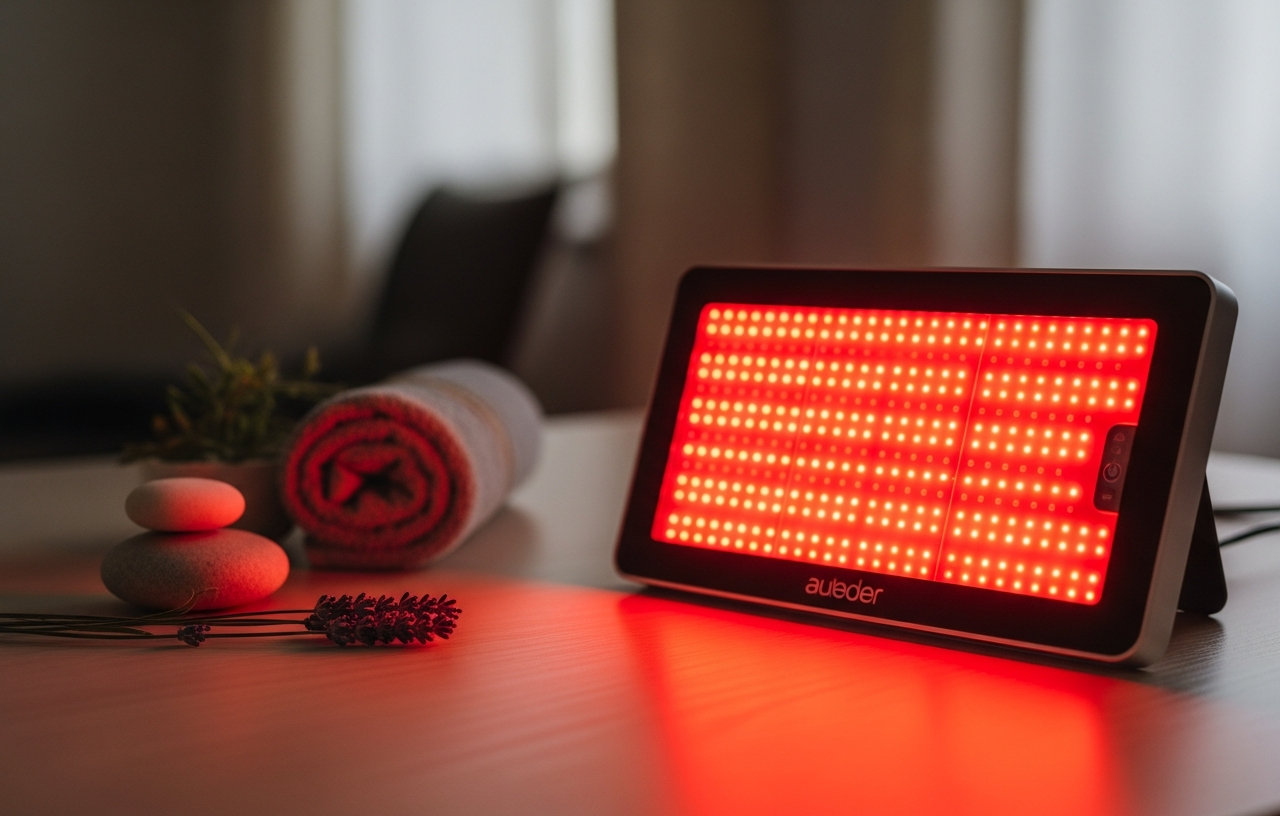
Consider the size of the area you need to treat. Small, handheld devices like the Lifepro LumiCure are excellent for highly targeted areas, such as a painful elbow or wrist. For broader pain, like a sore back, hips, or legs, a larger panel with a wider coverage area will be more efficient. Some larger panels can be mounted on stands or walls, allowing for hands-free treatment of bigger body sections. Assess your primary pain locations to determine the appropriate panel size.
Flicker Rate
Flicker refers to the rapid on-off cycling of LED lights. While often imperceptible to the naked eye, some devices can have a detectable flicker. Zero flicker is preferred, especially for sensitive individuals or when treating areas near the eyes. Prolonged exposure to flickering light can cause eye strain or headaches for some users. Reputable manufacturers often highlight their flicker-free technology as a safety and comfort feature.
Ease of Use and Portability
Consider how easily the device integrates into your routine. Handheld torches offer maximum portability. Tabletop panels are suitable for consistent use in one location. Larger panels may come with stands, allowing for adjustable angles and hands-free operation. Look for features like built-in timers, simple controls, and sturdy construction. The ability to set and forget your therapy session can greatly improve consistency.
Maximizing Your Red Light Therapy Sessions for Pain
To get the most out of your red light therapy panel for pain relief, follow established guidelines for use and safety. Consistency and proper application are key to achieving desired outcomes.
Consistent Use is Important
Regularity is more important than intensity or duration in a single session. Most protocols suggest using red light therapy for 10-20 minutes per targeted area, three to five times a week. Adhering to a consistent schedule helps maintain the cellular benefits and supports ongoing pain management. Skipping sessions frequently can diminish the cumulative effects.
Proper Positioning
The distance between your body and the panel affects the irradiance reaching your skin. For handheld devices, direct contact or holding it just a few inches away is typical. For larger panels, manufacturers provide recommended distances, often ranging from 6 to 12 inches. Following these guidelines makes sure you receive the optimal dose of light energy. Position the device so the light directly illuminates the painful area.
Safety Precautions
Red light therapy is generally safe, but some precautions apply. While red and near-infrared light are not harmful to the eyes, high-irradiance panels may be very bright. Many users choose to wear eye protection, especially when treating areas close to the face. Make sure to stay hydrated, as cellular activity increases during therapy. If you have any underlying medical conditions or are taking photosensitizing medications, consult a healthcare provider before starting red light therapy.
Red light therapy offers a promising, non-invasive option for managing various types of pain. By understanding the technology and choosing a device like the Lifepro LumiCure for targeted relief, you can effectively address discomfort and support your body's healing processes. Focus on consistent use and proper application to achieve the best possible results.