Red Light Therapy Panel Lifespan: The Core Expectation
Red light therapy panels typically last between 50,000 and 100,000 operational hours. This significant lifespan means that for an average home user, who might operate a panel for 15-30 minutes daily, the device can function effectively for 10 to 20 years, sometimes even longer. The primary determinant of a panel's effective life is not a sudden failure, but rather the gradual degradation of its light-emitting diodes (LEDs).
LEDs do not burn out like traditional incandescent bulbs. Instead, their light output slowly diminishes over time. Industry standards often define the useful life of an LED device by its L70 rating, which specifies the number of operational hours until the light output falls to 70% of its initial intensity. For example, an L70 rating of 50,000 hours means the LEDs will still produce 70% of their original brightness after 50,000 hours of use.
Understanding LED Degradation and L70 Rating
The L70 rating is a critical specification for understanding the true lifespan of a red light therapy panel. When a manufacturer states a panel has a 50,000-hour lifespan, they are usually referring to this L70 threshold. At 70% of original intensity, the therapeutic efficacy of the light can still be considerable, but it will be less potent than when the device was new.
Several factors contribute to the rate of LED degradation. The quality of the LED chip itself plays a major role. Cheaper, lower-grade LEDs may degrade faster, reaching the 70% output mark in fewer hours. Higher-quality chips, often used in professional-grade or premium home devices, are designed for greater stability and longevity.
Heat is the primary accelerator of LED degradation. Every LED generates heat during operation. If this heat is not efficiently dissipated, the internal temperature of the LED junction rises, causing the semiconductor material to degrade more quickly. This leads to a faster reduction in light output and a shorter overall lifespan.
Impact of Heat Management on Longevity
Effective heat management systems are essential for maximizing the lifespan of a red light therapy panel. Panels use various methods to manage heat, including:
- Heat Sinks: These are metal components, often aluminum, that draw heat away from the LEDs and dissipate it into the surrounding air. Larger, more robust heat sinks are more effective.
- Cooling Fans: Many larger or higher-power panels incorporate small fans to actively move air across the heat sinks, accelerating the cooling process. The quality and reliability of these fans also impact the device's overall lifespan. A failing fan can quickly lead to overheating and premature LED degradation.
- Thermal Pads and Pastes: These materials improve thermal conductivity between the LED array and the heat sink, ensuring efficient heat transfer.
A panel with inadequate heat management might show signs of accelerated degradation within a few years, even with moderate use. For instance, a panel without active cooling, used in a warm room, might reach its L70 point in 30,000 hours instead of its advertised 50,000 hours.
Factors Influencing Panel Lifespan Beyond LEDs
While LED degradation is the main event, other components of a red light therapy panel also have lifespans that contribute to the device's overall operational life. The power supply, control board, and even the housing can fail or degrade over time.
Power Supply Unit (PSU) Durability
The power supply unit converts wall current into the specific voltage and current required by the LEDs. A high quality PSU is designed to deliver stable power and withstand fluctuations. Cheaper PSUs, however, may use lower-grade capacitors or transformers that are prone to failure. Common signs of PSU failure include:
- The panel not turning on at all.
- Flickering lights.
- Inconsistent brightness.
- Unusual humming or buzzing noises.
A well built PSU can last as long as the LEDs, often 50,000 hours or more. A poorly constructed one might fail in 5-7 years of regular use, rendering the entire panel unusable regardless of the LED's condition. Replacing a PSU can be complex and expensive, sometimes making it more practical to replace the entire unit.
Control Board and Wiring
The control board manages functions like timer settings, wavelength selection, and intensity adjustments. While generally robust, components on the control board can fail due to power surges, manufacturing defects, or prolonged exposure to heat. Wiring and connectors can also degrade, especially if repeatedly bent or exposed to moisture. Modern panels often use solid-state components that are highly reliable, but no electronic component is entirely immune to failure.
Physical Construction and Environmental Factors
The physical housing of the panel, including its frame, lenses, and mounting hardware, also contributes to its functional lifespan. Panels made with durable materials like aluminum or high-grade plastics will withstand accidental impacts and general wear better than those made with flimsy components. Environmental factors such as humidity, dust, and extreme temperatures can also shorten a device's life. High humidity can cause corrosion in electronic components, while dust can clog cooling vents, leading to overheating.
Maximizing Your Panel's Operational Life
Consumers can take several steps to help their red light therapy panel reach its maximum potential lifespan.
- Follow Manufacturer Guidelines: Adhere to the recommended usage times and cleaning instructions. Overuse, especially without proper cooling breaks, can accelerate LED degradation.
- Maintain Proper Ventilation: Make sure the panel's cooling vents are not blocked. Operate the device in a well-ventilated area, avoiding enclosed spaces that can trap heat.
- Keep it Clean: Regularly wipe down the panel's surface and vents with a soft, dry, or slightly damp cloth. Dust accumulation can impede cooling and reduce light output. Avoid harsh chemicals that can damage the lenses or housing.
- Store Properly: When not in use, store the panel in a cool, dry place, away from direct sunlight or extreme temperatures. Protect it from physical impacts.
- Use a Surge Protector: Connecting the panel to a surge protector can shield the power supply and control board from electrical spikes that can cause damage.
- Avoid Overheating the Environment: Do not use the panel in excessively hot rooms for extended periods. This adds to the thermal stress on the LEDs and power supply.
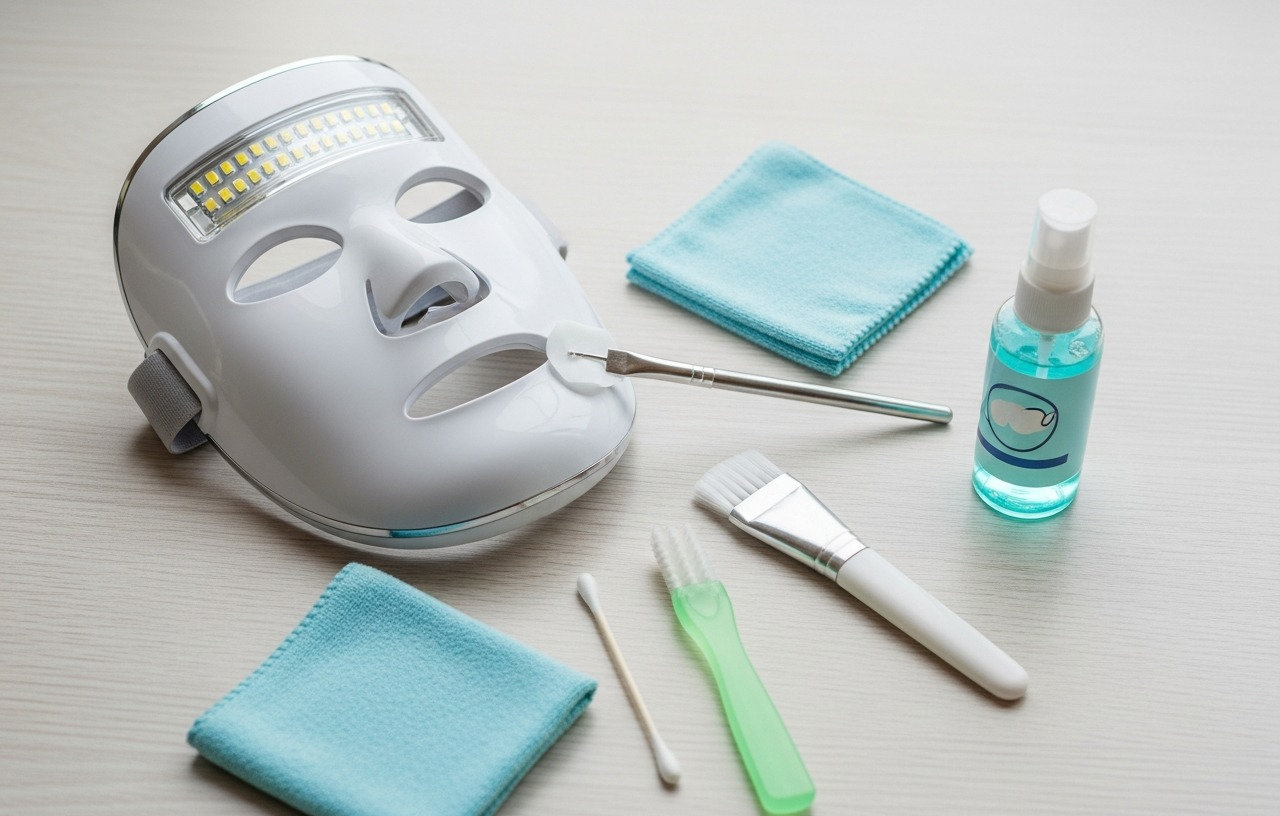
Simple care routines can significantly extend the period of effective performance for any red light therapy panel. Keeping the device clean, for example, prevents dust buildup that could hinder its cooling system. Keeping Your LED Face Mask Clean: Essential Care offers general advice on maintaining light therapy devices.
When to Consider Replacement
Even with meticulous care, all electronic devices eventually reach the end of their useful life. For a red light therapy panel, the primary indicator for replacement is a noticeable reduction in light intensity. If your treatment sessions seem less effective, or if you can visibly see that the LEDs are dimmer than they once were, the panel's output may have fallen below a therapeutically beneficial level.
Other signs that a panel may need replacement include:
- Inconsistent Operation: The panel turns off randomly, flickers, or some LEDs fail to light up.
- Physical Damage: Cracks in the housing, damaged wiring, or a faulty power cord.
- Unusual Noises or Odors: Buzzing from the power supply, grinding from fans, or a burning smell indicates internal component failure.
The cost of replacement parts, if available, often outweighs the cost of a new, entry-level panel, especially for devices originally priced under $500. For higher-end panels (those costing $1,000 or more), investigating repair options might be worthwhile if the issue is a specific, replaceable component like a cooling fan or power supply. However, LED array replacement is generally not feasible or cost effective for consumers.
Ultimately, the decision to replace a red light therapy panel comes down to performance and reliability. If the device no longer delivers the expected therapeutic benefits or becomes unreliable, it is time to invest in a new one. Understanding the underlying technology, such as explained in What is a Red Light Therapy Panel? Understanding the Technology, can assist in evaluating the performance of your current device and choosing a new one.