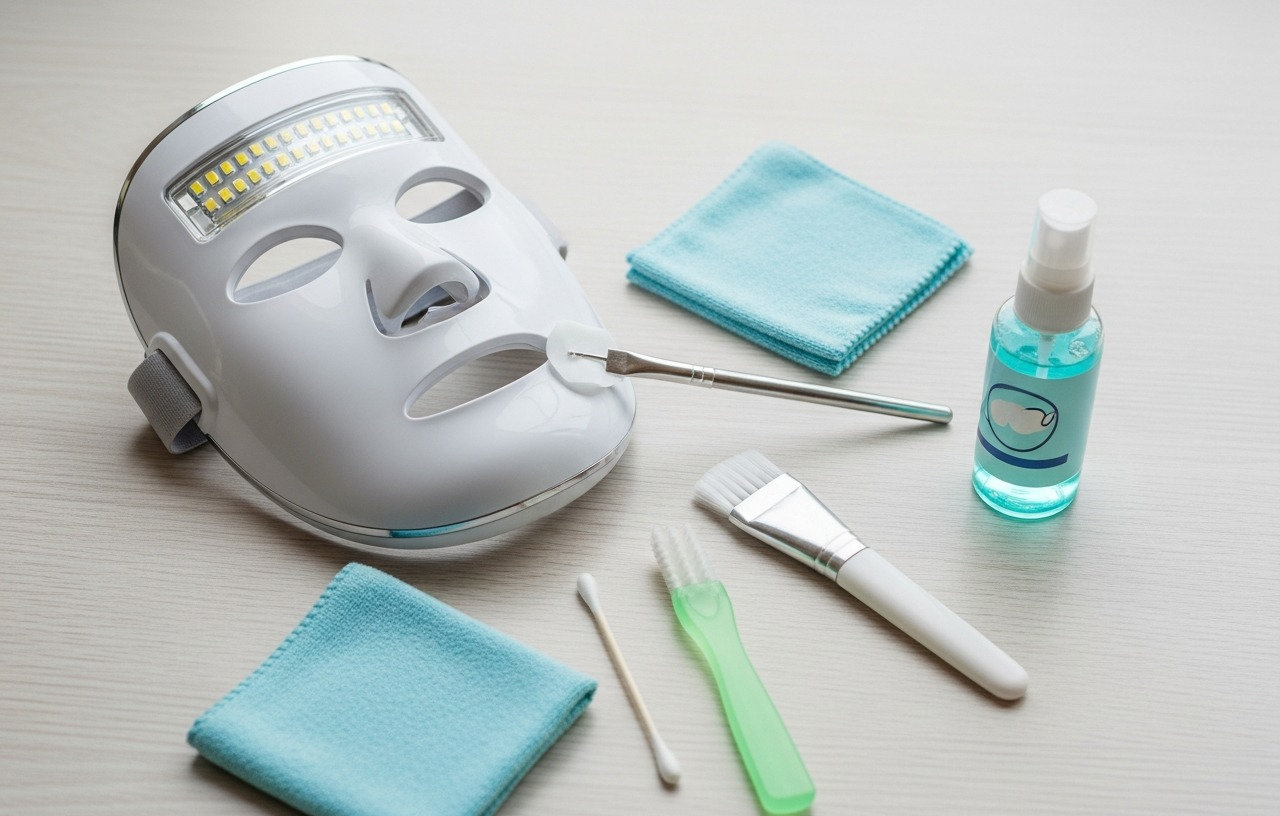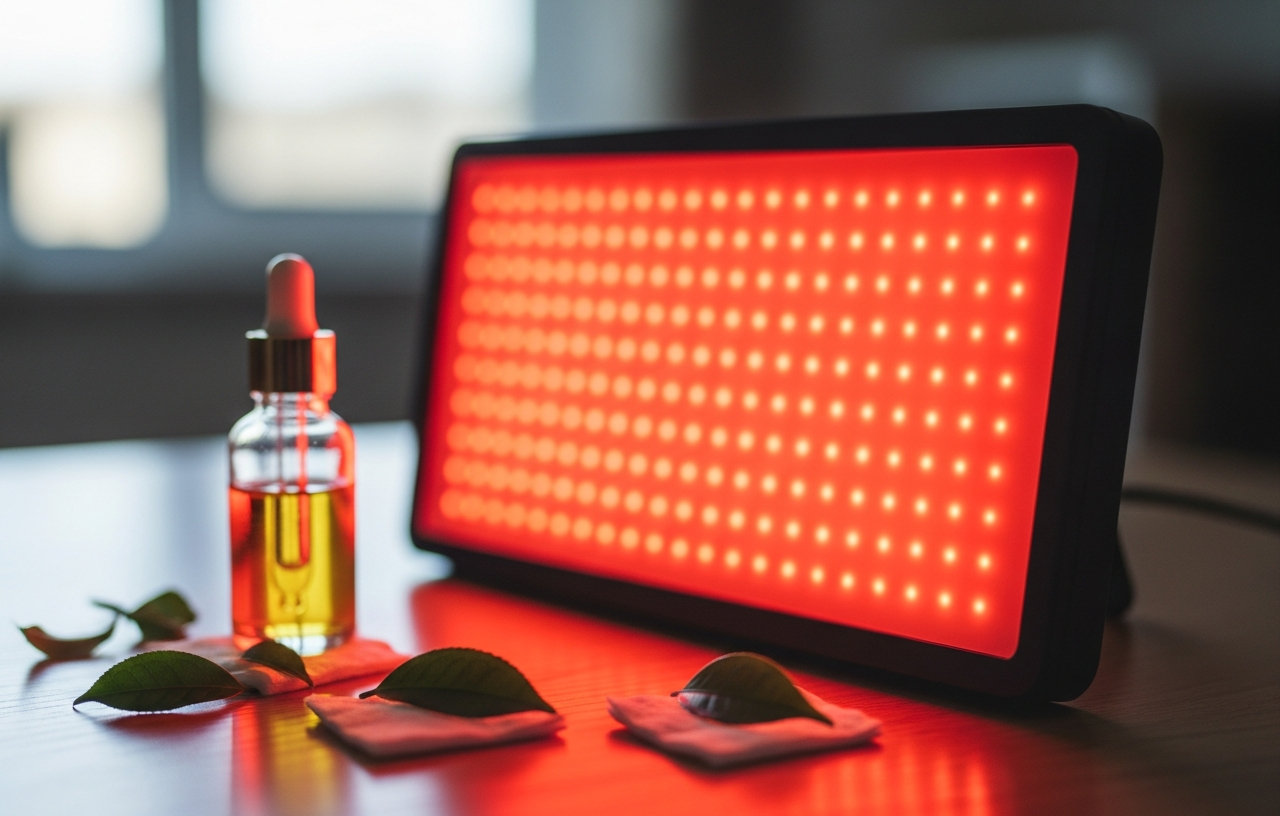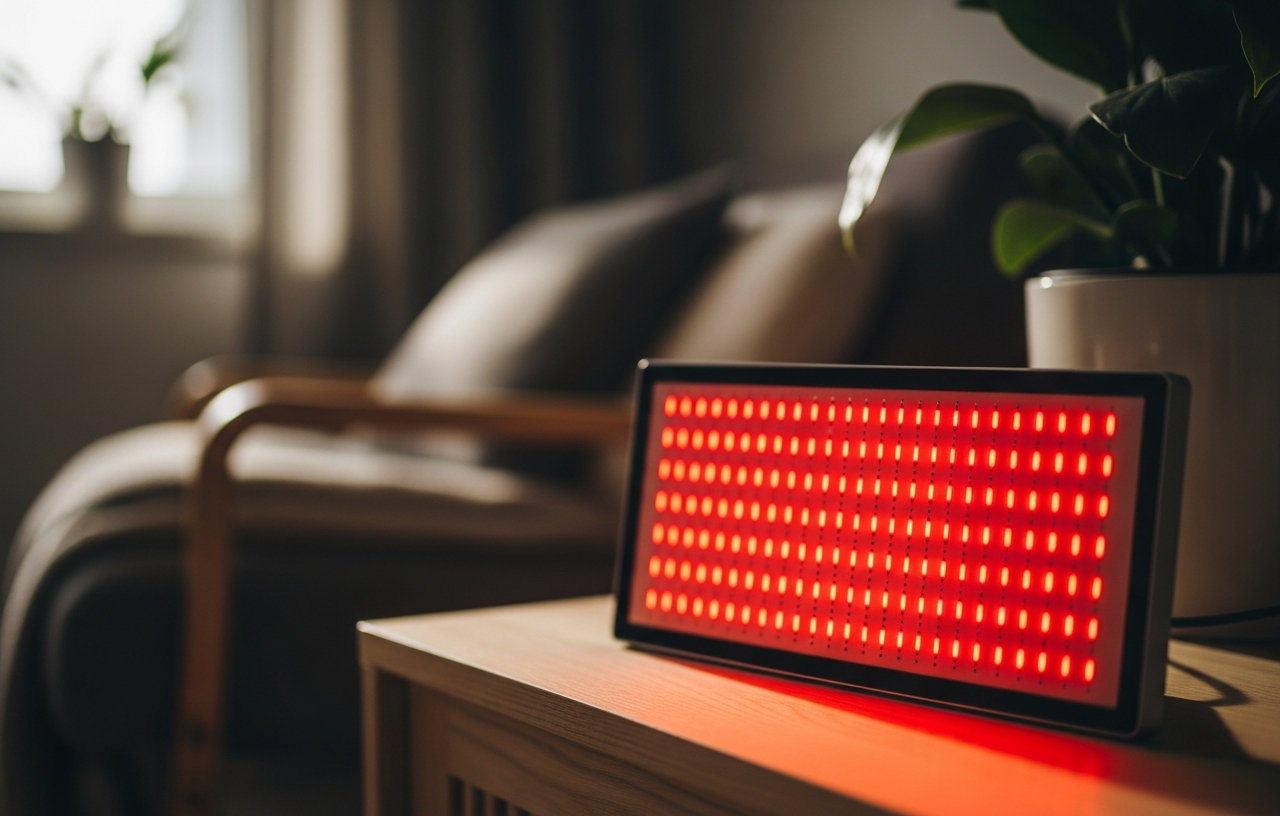
A red light therapy panel delivers concentrated wavelengths of red and near-infrared light directly to the skin and underlying tissues. These devices vary significantly in size, power output, and the specific wavelengths they emit. For instance, a small, handheld panel might offer 30-50 LEDs, while a full-body unit can contain hundreds, covering a much larger surface area.
The core principle involves photobiomodulation (PBM), where specific light photons penetrate the skin and are absorbed by chromophores within cells, particularly cytochrome c oxidase in the mitochondria. This absorption triggers a cascade of cellular responses, including increased ATP (adenosine triphosphate) production, enhanced cellular repair, and reduced oxidative stress. This process is distinct from UV light exposure, which can damage skin cells.
Understanding Red Light Therapy Wavelengths
Red light therapy panels typically use two primary categories of wavelengths: red light and near-infrared (NIR) light. Each has different penetration depths and cellular targets.
Red Light (630nm to 660nm)
Red light wavelengths, often in the 630 nanometer (nm) to 660 nm range, are visible and penetrate the skin superficially. This makes them effective for surface-level concerns. For example, a 660nm wavelength is commonly associated with benefits for skin health, such as stimulating collagen production, reducing fine lines, and improving overall skin tone and texture. These shorter wavelengths are absorbed well by the epidermis and dermis layers of the skin. An LED face mask often focuses solely on these wavelengths for facial skin concerns.
Near-Infrared Light (810nm to 850nm)
Near-infrared light, typically ranging from 810nm to 850nm, is invisible to the human eye. These longer wavelengths penetrate deeper into the body, reaching muscles, bones, and even organs. This deeper penetration makes NIR light suitable for addressing issues beyond the skin's surface. Users report benefits for muscle recovery, joint pain, inflammation reduction, and nerve regeneration. A panel emitting 850nm light can target deep tissue soreness after intense exercise, for instance.
Many effective red light therapy panels combine both red and near-infrared wavelengths. This dual-wavelength approach allows for a broader range of benefits, treating both superficial skin issues and deeper tissue concerns simultaneously. A panel might feature an equal distribution of 660nm and 850nm LEDs, or offer settings to use one wavelength type independently.
Key Specifications and How They Matter
When considering what is a red light therapy panel, understanding its technical specifications helps evaluate its effectiveness. Not all panels are created equal; the details dictate performance.
Irradiance (mW/cm²)
Irradiance is a critical metric, measuring the power density of the light delivered to the skin's surface. It is expressed in milliwatts per square centimeter (mW/cm²). Higher irradiance generally means a more potent treatment, requiring shorter session times to achieve desired results. For home use, panels typically offer irradiance levels between 50 mW/cm² and 150 mW/cm² at a distance of 6 inches. A clinical-grade device might exceed 200 mW/cm², but these are usually much more expensive and professionally administered.
For example, a panel with 100 mW/cm² irradiance will likely provide quicker results than one with 30 mW/cm² if all other factors are equal. Manufacturers usually provide irradiance figures at various distances from the panel. This data helps users maintain the correct distance for optimal dosage.
Power Output and LED Count
The total power output of a panel, measured in watts, gives an indication of its overall strength. This is closely related to the number and individual wattage of the LEDs. A panel with 300 LEDs, each rated at 3 watts, will have a higher potential output than a panel with 100 LEDs rated at 1 watt each. More LEDs generally mean better coverage and more even light distribution across the treatment area. A larger panel with more LEDs will typically cost more, with small handheld units starting around $150-$300 and larger, full-body panels reaching upwards of $1,000-$2,000.
Flicker Rates
Some lower-quality LED panels can exhibit flicker, which refers to rapid changes in light intensity. While often imperceptible to the naked eye, prolonged exposure to flickering light can cause eye strain or headaches for some individuals. Checking manufacturer specifications for flicker-free operation is a good practice.
EMF Emissions
Electromagnetic field (EMF) emissions are a consideration for any electronic device. While the health effects of low-level EMF are debated, some manufacturers design their red light therapy panels to have low or near-zero EMF emissions. This specification is usually highlighted by brands catering to health-conscious consumers. A typical panel might emit less than 0.5mG (milligauss) at the treatment distance.
Benefits of Red Light Therapy Panels
The therapeutic applications of red light therapy panels extend across various aspects of health and wellness, based on the cellular effects of photobiomodulation.
Skin Health and Anti-Aging
One of the most popular uses for red light therapy panels is improving skin appearance. The red wavelengths stimulate fibroblasts, which are cells responsible for producing collagen and elastin. Increased collagen can lead to a reduction in the appearance of fine lines and wrinkles, improved skin elasticity, and a more even skin tone. It can also help with wound healing and reducing inflammation associated with conditions like acne or rosacea. For example, consistent use over several weeks can soften the look of crow's feet around the eyes.
For a comparison of how different light therapies target skin, you can read more about Best LED Face Masks: Ranked by Wavelength, Coverage, and Value.
Muscle Recovery and Joint Pain Relief
Near-infrared wavelengths penetrate deep enough to reach muscle tissue and joints. This can aid in post-exercise recovery by reducing muscle soreness and fatigue. The light helps increase blood circulation and reduce inflammation, which can accelerate the repair process. People with conditions like arthritis or general joint stiffness might find relief from pain and improved mobility with regular sessions. A 15-minute session on a sore hamstring after a run can lessen delayed onset muscle soreness.
Hair Growth Support
Some research indicates that red light therapy can stimulate hair follicles, promoting hair growth in individuals experiencing certain types of hair loss, such as androgenetic alopecia. The light energy can increase blood flow to the scalp and encourage dormant follicles to re-enter the growth phase. This benefit is typically seen with consistent, long term application.
Improved Sleep Quality
Exposure to specific red light wavelengths in the evening may help regulate the body's circadian rhythm. Unlike blue light, which can disrupt melatonin production, red light has a minimal impact on it. Using a red light therapy panel for a short session before bed might help some individuals relax and prepare for sleep, though this is an area of ongoing study.
Choosing a Red Light Therapy Panel for Home Use
Selecting a panel involves evaluating several factors to meet individual needs and budget constraints.
Cost Considerations
The price of red light therapy panels varies widely. Small, targeted devices suitable for facial use or specific body areas can start around $150 to $400. Mid-sized panels, offering broader coverage for the back or limbs, typically range from $500 to $1,200. Full-body panels, designed for comprehensive treatment, can cost upwards of $1,500 to $3,000 or more. The cost usually correlates with the number of LEDs, irradiance, and overall build quality.
Safety Features
Good quality panels often include safety features. An automatic shut-off timer is common, preventing accidental overuse. Some panels come with built-in cooling fans to prevent overheating of the LEDs, extending the device's lifespan. Eye protection, such as blackout goggles, is often included, especially for panels with high irradiance, to shield the eyes from intense light.
Size and Portability
Consider where you will use and store the panel. Smaller, portable devices are convenient for travel or targeting small areas. Larger panels require dedicated space and are less portable but offer more extensive coverage, reducing treatment time for larger body parts. They often offer scientific backing for their claims. Reading verified customer ratings and reviews can offer insight into real-world performance, durability, and customer service. Look for consistent positive feedback regarding efficacy and reliability.
How to Use a Red Light Therapy Panel
Proper usage of a red light therapy panel is essential for safety and effectiveness.
Session Duration and Frequency
Most manufacturers recommend sessions lasting between 5 and 20 minutes per treated area. Shorter sessions are typical for higher irradiance devices, while lower-power panels may suggest longer times. For optimal results, consistent use is generally advised, often 3-5 times per week. Daily use is also common for specific conditions, according to manufacturer guidelines. Adhering to the specific instructions provided with your device is important.
Distance from Panel
The distance from the panel directly affects the irradiance received. Most devices specify an optimal distance, usually between 6 and 18 inches. Moving closer increases irradiance, while moving further away decreases it. For example, a panel might deliver 100 mW/cm² at 6 inches but only 50 mW/cm² at 12 inches. Maintaining the recommended distance helps achieve the intended therapeutic dose.
Eye Protection
While red and near-infrared light are generally safe for the eyes at typical home-use intensities, direct exposure to high-intensity LEDs can be uncomfortable or potentially harmful over time. Many panels include blackout goggles, and using them is a good practice, especially when treating the face or if you have sensitive eyes. Always follow the manufacturer's recommendations regarding eye protection.
Red Light Therapy Panels vs. Other Beauty Devices
Understanding the distinctions between a red light therapy panel and other popular beauty devices helps clarify their specific applications.
Red Light Therapy Panels vs. LED Face Masks
The primary difference lies in coverage area and typically, power output. They usually focus on red and blue light wavelengths for skin concerns. Panels, conversely, can range from small, handheld devices to large, full-body units. Panels generally offer higher irradiance and often incorporate near-infrared light for deeper tissue penetration, addressing concerns beyond just skin. For example, a panel can treat a sore back muscle, which an LED face mask cannot.
Red Light Therapy Panels vs. Microcurrent Devices
These devices operate on entirely different principles. Red light therapy panels use light energy to stimulate cellular processes. Microcurrent devices, on the other hand, deliver low-level electrical currents to stimulate facial muscles, aiming to tone and lift. A microcurrent treatment focuses on muscle contraction and ATP production through electrical signals, rather than light absorption. Both can be used for anti-aging, but their mechanisms are distinct. For example, a microcurrent device might lift the brow, while a red light panel improves collagen density.
Learn more about microcurrent technology here: Microcurrent Device Frequency: How Often to Use for Best Results.
Red Light Therapy Panels vs. IPL Hair Removal Devices
IPL (Intense Pulsed Light) devices use a broad spectrum of light to target melanin in hair follicles, inhibiting hair growth. This is a very different mechanism from red light therapy. IPL involves controlled thermal damage to the follicle, while red light therapy uses specific, non-heating wavelengths to promote cellular function. An IPL device targets hair reduction; a red light panel targets cellular repair and skin health.