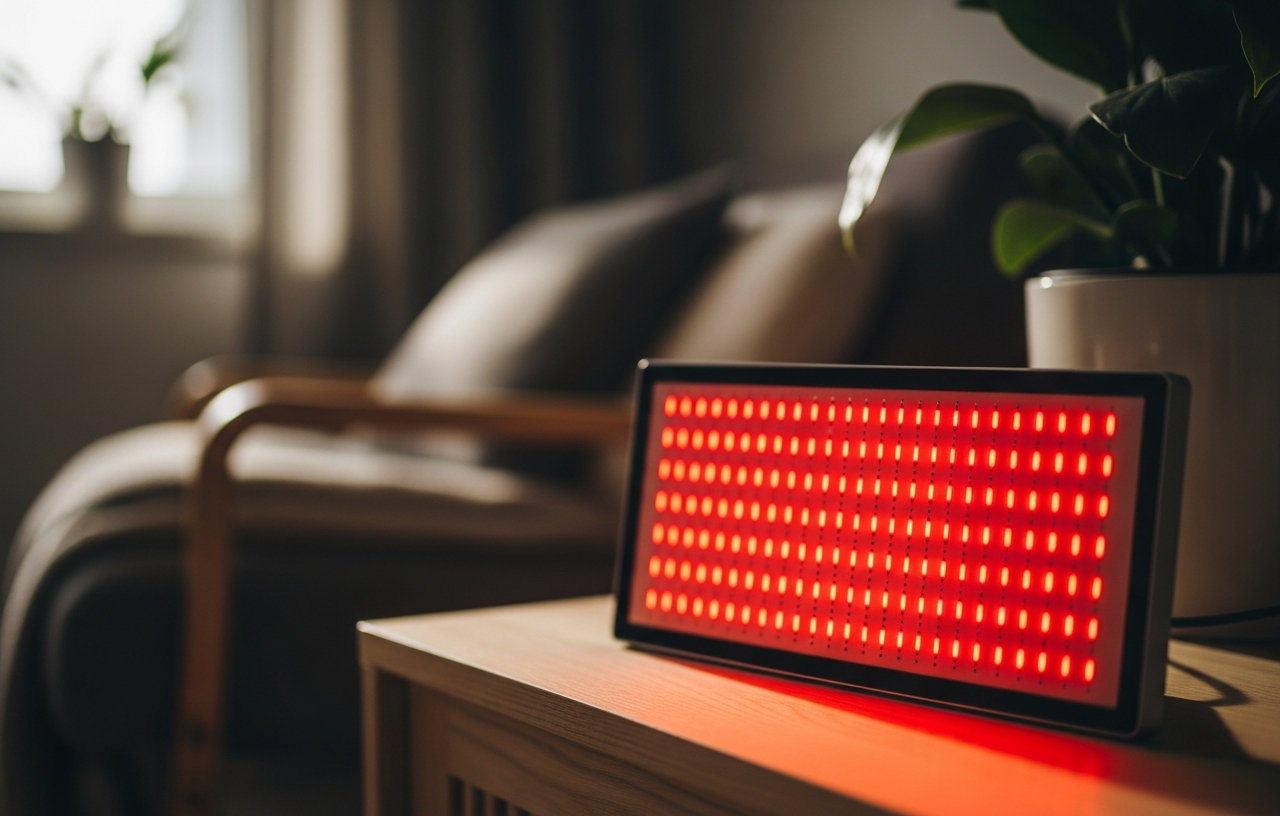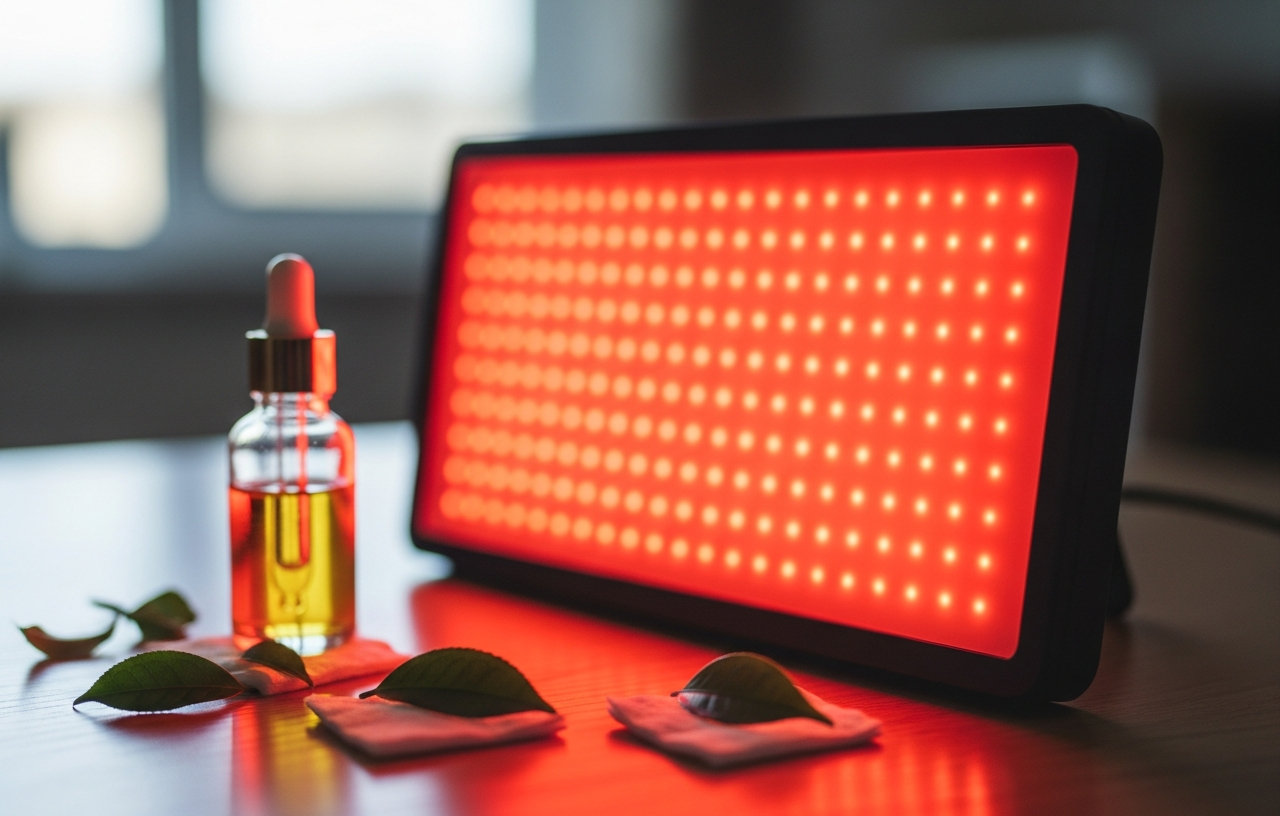
Red light therapy, also known as low-level light therapy (LLLT), uses specific wavelengths of light to target skin concerns, including acne. This non-invasive treatment works by penetrating the skin to stimulate cellular processes. It can reduce inflammation, kill acne-causing bacteria, and support overall skin repair.
Understanding how to properly use a red light therapy device, whether it's a dedicated panel or a convenient face mask, is essential for achieving desired results. This guide provides a detailed walkthrough for integrating red light therapy into your skincare routine for acne management.
Understanding Red Light Therapy for Acne
Red light therapy primarily uses wavelengths in the 630-660 nanometer (nm) range. These wavelengths penetrate the skin to a moderate depth, targeting sebaceous glands and reducing inflammation associated with acne breakouts. The light stimulates cellular energy production, which can accelerate healing and minimize post-inflammatory hyperpigmentation.
Many devices designed for acne also incorporate blue light, typically around 415 nm. Blue light works on the surface of the skin to destroy P. acnes bacteria, a primary contributor to inflammatory acne. A combination of red and blue light therapy is often recommended for a multi-faceted approach to acne treatment.
Essential Preparation Before Treatment
Step 1: Cleanse Your Skin Thoroughly
Before any light therapy session, your skin must be clean. Use a gentle, non-abrasive cleanser to remove all makeup, dirt, and oils from your face. Residual products can block the light from penetrating effectively. Pat your skin dry with a clean towel.
Required Tools: Gentle facial cleanser, warm water, clean towel.
Step 2: Remove All Skincare Products (Optional for some devices)
Avoid applying serums, moisturizers, or sunscreen before your treatment. Some products, especially those containing SPF or heavy oils, can create a barrier that diminishes the light's efficacy. Apply these products after your red light therapy session.
Required Tools: Makeup remover (if applicable), toner (optional, for a final clean).
Step 3: Protect Your Eyes
Eye protection is a critical safety measure, especially when using powerful red light therapy panels. Always wear the protective goggles or eyewear provided with your device. Even though red light is generally considered safe for eyes, prolonged direct exposure to intense LED light can cause discomfort or strain. Many LED face masks have built-in eye shields or opaque areas around the eyes to minimize direct exposure.
Required Tools: Manufacturer-supplied protective eyewear or opaque goggles.
How to Use Red Light Therapy for Acne
Whether you use a large panel or a compact mask, the underlying principles remain consistent. The goal is to deliver targeted light to the affected areas for a set duration.
Step 4: Position Your Device Correctly
If using a red light therapy panel, position it so that the light directly illuminates the acne-prone areas of your face. The recommended distance from the panel typically ranges from 6 to 12 inches. Refer to your device’s instruction manual for precise distance guidelines. Devices such as the DPL IIa or similar larger panels require careful positioning to ensure even coverage. For LED face masks, simply place the mask securely on your face, making sure it fits comfortably and covers the entire treatment area.
Time Estimate: Setup takes 1-2 minutes.
Step 5: Select the Right Wavelengths and Intensity
Most red light therapy devices for acne offer a combination of red and blue light, or allow you to select specific wavelengths. For acne treatment, prioritize settings that combine 630-660nm red light with 415nm blue light. Start with the lowest intensity setting if your device has adjustable power. You can gradually increase it as your skin adapts, always following manufacturer recommendations.
Safety Warning: Never exceed the maximum recommended intensity or duration. This does not speed up results and can potentially irritate your skin.
Step 6: Begin Your Treatment Session
Turn on your device and begin the timed session. Most home-use red light therapy treatments for acne last between 10 to 20 minutes per session. Many devices have an automatic shut-off timer. Relax during this period. You can read, listen to music, or meditate. Consistency is a strong factor in seeing results. Do not expect immediate changes after one or two sessions.
Time Estimate: 10-20 minutes per session.
Step 7: Post-Treatment Skincare
After your session, turn off the device and remove your eye protection. Your skin may feel slightly warm, which is normal. Apply your regular skincare products, starting with serums, then moisturizer, and finally sunscreen if it is daytime. Hydration is important after light therapy.
Required Tools: Your usual serums, moisturizer, and SPF.
Red Light Therapy Masks for Acne
LED face masks offer a convenient, hands-free way to deliver red light therapy. They typically conform to the face, ensuring even light distribution. When using a mask, make sure it sits flush against your skin without causing discomfort. Many masks offer multiple light colors, allowing you to target various concerns beyond acne.
MEGELIN 7 Colors Led Light Therapy Facial Mask
This flexible silicone mask features 288 LEDs, providing a broad spectrum of light therapy with 7 color options. The device delivers specific power densities designed to reduce wrinkles and smooth skin, alongside its acne-fighting capabilities. Regular use, as recommended by the manufacturer (typically 3-5 times a week), is important for maintaining results. The flexible design allows for comfortable wear during sessions.

- MEGELIN 7 colors light therapy mask for face is made of flexible silicone material,has 288 Leds,with.
- MEGELIN LED facial mask skin care upgraded to 7 colors of light, the power density of this mask is.
- MEGELIN LED light therapy requires regular sessions to maintain results, It is recommended to use Facial.
- MEGELIN led light face mask is recharegable, equipped with eye pads, which can protect your eyes well.
NEWKEY 4D LED Red Light Therapy Mask for Face Skin Glowing
The NEWKEY 4D mask focuses on red light (630nm) for anti-wrinkle benefits and blue light for acne treatment. Manufacturer information indicates noticeable transformations in users, with claims of smoother skin for effortless natural makeup. This mask is corded, which ensures consistent power delivery throughout your 10-minute routine, avoiding battery drop-off during a session. Its design prioritizes simplicity and safety for daily use.

- Clinically Proven Transformation Results: In a clinical study,users report noticeable transformations.
- Smoother Skin for Effortless Natural Makeup: Regular use of NEWKEY red and blue light therapy for face not.
- Corded for Consistent Power to Simple, Safe, 10-Min Routine: No battery drop-off , LED face mask with the.
- Clinical Wavelengths& Science-Backed: NEWKEY red and blue light therapy mask for face features 150 LEDs.
Aphrona® | FDA cleared Moonlight LED Facial Mask Skin Care Mask
Aphrona's FDA-cleared mask provides specific wavelengths: 630nm±5nm red light for wrinkle reduction and 415nm±5nm blue light for acne. The brand emphasizes visible results in less time. Being FDA cleared means the device has met certain safety and efficacy standards. This mask represents cutting-edge technology focused on delivering targeted light therapy for both anti-aging and acne concerns.

- VISIBLE RESULTS IN LESS TIME to Experience the power of LED light therapy with Aphrona’s advanced face.
- CUTTING-EDGE TECHNOLOGY to Harness the power of 630nm±5nm red light to reduce wrinkles and 415nm±5nm blue.
- FDA CLEARED to Unlike many beauty products that promise results without proof, Aphrona’s LED face mask is.
- NON-INVASIVE & HANDS-FREE TREATMENT to Designed for effortless skincare, our mask is UV-free, non-invasive.
Treatment Frequency and Duration
Consistency is more important than intensity when using red light therapy for acne. Most manufacturers and dermatologists recommend starting with 3-5 sessions per week for 4-6 weeks. Each session should last 10-20 minutes. After this initial phase, you can reduce the frequency to 2-3 times per week for maintenance.
Monitor your skin's response. Some individuals may see improvements within a few weeks, while others might need several months. Patience is necessary with light therapy treatments.
Safety Considerations and Best Practices
While red light therapy is generally safe for home use, following best practices helps prevent potential issues.
- Patch Test: Before your first full session, test the device on a small, inconspicuous area of your skin for a few minutes. Check for any adverse reactions like excessive redness or irritation.
- Hydration: Drink plenty of water to keep your skin hydrated from within. Healthy, hydrated skin responds better to treatments.
- Avoid Over-Treatment: Sticking to the recommended session times and frequency prevents over-exposure, which does not enhance results and could lead to irritation.
- Consult a Professional: If you have a severe form of acne, underlying skin conditions, or are taking photosensitizing medications, speak with a dermatologist before starting red light therapy.
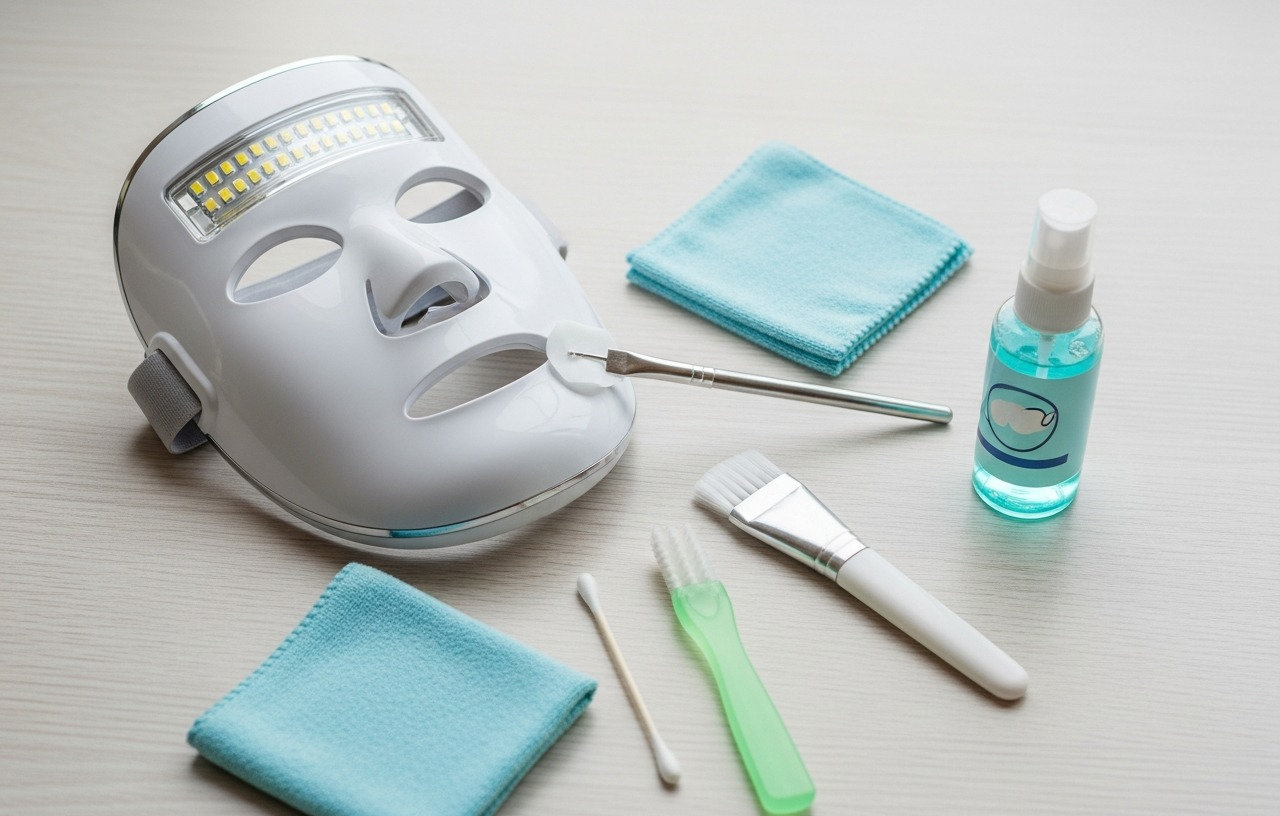
- Device Maintenance: Make sure to clean your LED device regularly according to the manufacturer's instructions. This prevents bacterial buildup and maintains hygiene.
Keeping Your LED Face Mask Clean: Essential Care
Troubleshooting Common Issues
It is normal to encounter questions or mild issues when starting a new skincare routine.
No Immediate Results
Red light therapy is not an overnight fix. It works on a cellular level, and these changes take time to become visible. Give the treatment at least 4-6 weeks of consistent use before evaluating its effectiveness. Many users report gradual improvements over time.
Mild Redness or Warmth
A slight feeling of warmth or a temporary pinkish tint to the skin immediately after a session is common. This indicates increased blood circulation. If redness is persistent, uncomfortable, or accompanied by stinging, reduce the session duration or frequency, or decrease the intensity setting. If symptoms persist, discontinue use and consult a dermatologist.
Device Not Working
Check the power connection, ensure the device is fully charged (if battery-operated), and verify that all settings are correctly selected. Refer to your device’s user manual for specific troubleshooting steps. Contact customer support if the issue continues.
Using red light therapy for acne can be an effective addition to your regimen.