Understanding Microcurrent Facial Devices
A microcurrent facial device sends low-level electrical currents into the skin and underlying facial muscles. These currents are measured in microamperes, a millionth of an ampere, which is why they are often called "sub-sensory." The intensity generally ranges from 10 to 600 microamperes for consumer devices. This technology aims to mirror the body's natural electrical signals, which play a role in cellular function and muscle contraction.
The concept behind microcurrent technology has roots in medical applications, where it has been used for wound healing and pain management. Its application in aesthetics began with the idea of re-educating muscles that have slackened over time. For example, a device might target the muscles around the jawline or eyebrows to create a temporary lifting effect. The sensation during treatment is usually mild, often described as a faint tingling or nothing at all, differentiating it from more intense electrical muscle stimulation (EMS) devices.
How Microcurrent Technology Works on a Cellular Level
The effectiveness of microcurrent therapy stems from its interaction with the body's cellular processes. The primary mechanism involves stimulating adenosine triphosphate (ATP) production.
ATP Production and Protein Synthesis
When cells are exposed to microcurrents, there can be an increase in ATP synthesis. This increased energy availability supports the production of vital skin proteins: collagen and elastin. Collagen provides structural support and firmness to the skin, while elastin gives it flexibility and the ability to snap back. As people age, the natural production of these proteins decreases, leading to wrinkles and sagging skin. By potentially boosting ATP, microcurrent devices can encourage the body to produce more of these essential proteins, contributing to firmer, more youthful-looking skin.
The gentle electrical stimulation also impacts cellular metabolism. It can enhance the transport of nutrients into cells and the removal of waste products. This improved cellular environment supports overall skin health and regeneration. The currents are gentle enough not to cause muscle contraction in the same way a TENS unit does for pain relief. Instead, they work at a subtler, cellular level.
Muscle Re-education and Toning
Beyond cellular changes, microcurrent devices are also known for their ability to re-educate facial muscles. Facial muscles, like any other muscles, can weaken or lose their tone over time due to gravity, repetitive expressions, and aging. Microcurrents work by delivering mild electrical impulses that encourage muscles to contract and relax. This process is not about building muscle mass, but rather about improving muscle tone and memory.
For example, repeated upward strokes with a microcurrent device along the cheekbones or forehead can encourage those muscles to hold a slightly more lifted position. The effect is often cumulative, meaning consistent use over time yields more noticeable and lasting results. This re-education contributes to a more contoured and sculpted appearance, targeting areas prone to sagging such as the jowls, neck, and brow line.
Benefits of Using a Microcurrent Facial Device
The appeal of microcurrent facial devices lies in their range of potential aesthetic benefits. These devices offer a non-invasive approach to facial rejuvenation, making them popular for at-home skincare routines.
Facial Toning and Lifting
One of the most widely reported benefits is improved facial toning and a visible lifting effect. Users often notice a more defined jawline, lifted eyebrows, and a firmer appearance around the cheeks. This is a direct result of the muscle re-education process, where the microcurrents help to tighten and strengthen the facial muscles. The effects can be particularly noticeable on areas that tend to sag, such as the jowls and the area under the chin.
Reduction of Fine Lines and Wrinkles
By promoting ATP production and, consequently, collagen and elastin synthesis, microcurrent therapy can help reduce the appearance of fine lines and wrinkles. Increased collagen and elastin contribute to smoother, more supple skin. The improved cellular function also helps skin cells regenerate more efficiently, further contributing to a reduction in visible signs of aging. This makes microcurrent devices a consideration for those looking to address early signs of aging or maintain youthful skin.
Improved Skin Elasticity and Firmness
Consistent use of a microcurrent device can lead to enhanced skin elasticity and firmness. As collagen and elastin levels improve, the skin becomes more resilient and less prone to sagging. This benefit works hand-in-hand with muscle toning to create a more youthful and sculpted facial contour. Skin that is firmer and more elastic tends to look healthier and more vibrant.
Types of Microcurrent Devices and Their Features
Microcurrent devices come in various forms, each designed with specific user needs and facial areas in mind. Understanding these types helps in selecting a device that aligns with individual preferences and goals.
Common Device Styles
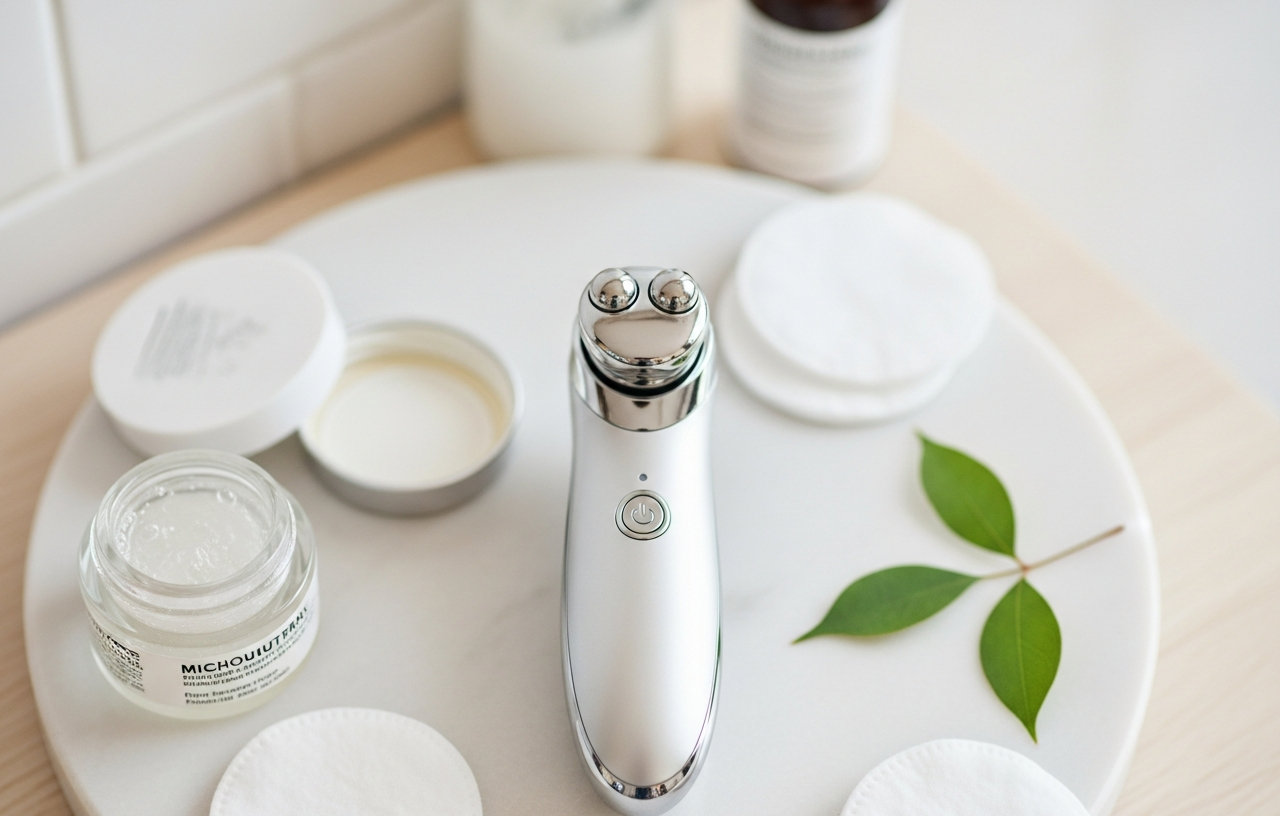
- Wand-style devices: These often feature two metal probes or spheres at the tip. They are versatile and allow for precise targeting of specific facial contours, such as around the eyes, mouth, and brow. Some wands have interchangeable heads for different treatment areas.
- Globe devices: Characterized by two larger, often spherical, conducting heads. These are designed for broader coverage and easier gliding across larger areas like the cheeks, jawline, and neck. They are popular for their ergonomic design and ease of use.
- Mask-style devices: Less common for home use, these are more prevalent in professional settings. They typically cover a larger portion of the face, delivering microcurrents through a network of electrodes embedded in a mask.
Key Features to Consider
When researching microcurrent devices, several technical specifications and features are important:
- Microampere (μA) output: Home devices typically range from 10 μA to 400 μA. Professional devices can reach higher intensities, sometimes up to 600 μA or more. Higher microamperage does not necessarily mean better results; consistency and proper technique are more important.
- Multiple intensity settings: Devices with adjustable intensity allow users to customize their treatment experience. Starting with lower settings and gradually increasing can help the skin adapt.
- Smart features: Some modern devices connect to smartphone apps, offering guided routines, personalized treatment plans, and progress tracking. This can be beneficial for beginners.
- Ergonomics and design: A device that is comfortable to hold and easy to maneuver across facial contours makes the treatment process more enjoyable and effective.
- Battery life: Consider the battery capacity and charging time, especially for frequent users.
The price range for quality at-home microcurrent devices typically falls between $100 and $600. Professional microcurrent facial treatments can cost between $150 and $500 per session, depending on the location and specific services offered.
For those interested in exploring specific models, a guide on the best microcurrent facial devices can offer more detailed comparisons. Best Microcurrent Facial Devices: Sculpt and Tone
Using a Microcurrent Device: A step by step Guide
Effective use of a microcurrent device requires adherence to specific steps to make sure of safety and optimal results. Consistency in application is a primary factor in achieving visible improvements.
Preparation and Application
- Cleanse your skin: Start with a freshly cleansed face. Remove all makeup, oils, and impurities. This prepares the skin for better conductivity and prevents discomfort.
- Apply conductive gel: This is a critical step. Microcurrent devices require a conductive gel or serum to allow the electrical current to penetrate the skin evenly and comfortably. Without sufficient gel, the current can feel patchy or cause a stinging sensation. Apply a generous layer to the area you plan to treat.
- Perform movements: Follow the manufacturer's instructions for specific movements and areas. Most routines involve gliding the device in upward and outward strokes, holding it in place for a few seconds at the end of each stroke. Treat sections of the face at a time, making sure each area is covered with gel.
- Duration: A typical at-home microcurrent session lasts 5 to 10 minutes for the entire face. Some devices offer targeted treatments for specific areas that might take less time.
- Clean the device: After each use, clean the device probes or spheres with a damp cloth or alcohol wipe to remove any gel residue. This maintains hygiene and functionality.
Treatment Frequency and Maintenance
For initial results, many manufacturers recommend using the device 3 to 5 times per week for the first 6 to 8 weeks. After this initial period, a maintenance schedule of 2 to 3 times per week is often suggested to sustain the benefits. Skipping sessions or irregular use can diminish the long term effectiveness. Just like with any exercise routine, consistency is key for muscle re-education.
Maintaining a sufficient supply of conductive gel is also important. Many devices are sold with a starter gel, but users will need to purchase refills. These gels typically cost between $20 and $60 for a standard tube. Some users opt for alternative conductive mediums, but it is always best to check with the device manufacturer for compatibility to avoid damage or reduced efficacy.
For a more detailed look at how often to incorporate microcurrent into your routine, consider reading an article specifically on frequency. Microcurrent Device Frequency: How Often to Use for Best Results
Safety and Potential Side Effects
Microcurrent facial devices are generally considered safe for most healthy individuals when used according to instructions. However, understanding potential side effects and contraindications is important for safe practice.
Common and Rare Side Effects
The most common sensation during microcurrent treatment is a mild tingling, especially if the conductive gel is not applied generously enough. Some individuals may experience temporary redness in the treated area, which usually subsides quickly. In rare cases, minor muscle twitching might occur, particularly if the intensity setting is too high or the device is held in one spot for too long.
More severe side effects are uncommon but can include headaches or temporary facial numbness, typically linked to improper use or pre-existing conditions. These devices should not cause pain; if discomfort is experienced, discontinue use and consult the device's manual or a skincare professional.
Contraindications for Use
Certain conditions or circumstances make microcurrent therapy unsuitable. These contraindications include:
- Pregnancy: The effects of microcurrent on pregnancy are not fully researched, so it is best to avoid use.
- Pacemakers or implanted electronic devices: Electrical currents can interfere with the function of these devices.
- Epilepsy or seizure disorders: Electrical stimulation can potentially trigger seizures.
- Active cancer or recent cancer treatment: Avoid use over areas affected by cancer.
- Open wounds, active acne breakouts, or skin infections: Using the device on compromised skin can worsen conditions or cause irritation.
- Recent cosmetic injections (Botox, fillers): It is generally recommended to wait at least 2 weeks after injections before using microcurrent to avoid affecting the results.
Always review the specific contraindications listed in your device's user manual. When in doubt, consulting a healthcare provider or a licensed esthetician before starting microcurrent treatments is a sensible approach.
For further information on potential issues, an article detailing microcurrent device side effects can provide more context. Microcurrent Device Side Effects: What to Watch Out For
Professional vs. At-Home Microcurrent Treatments
The choice between professional microcurrent facials and at-home devices depends on several factors, including budget, desired intensity, and convenience. Both options offer the benefits of microcurrent technology but differ in execution and experience.
Professional Microcurrent Facials
Professional treatments are administered by licensed estheticians or dermatologists. They typically use higher-grade devices with more powerful microampere outputs, often exceeding 600 μA. Estheticians also possess specialized training in facial anatomy and muscle manipulation, allowing for tailored treatments that target specific concerns with precision. A professional session often includes additional skincare steps, such as deep cleansing, exfoliation, and specialized serums, enhancing the overall experience and immediate results.
The cost of professional microcurrent facials ranges from $150 to $500 per session. For noticeable and lasting results, a series of treatments is usually recommended, often 6 to 12 sessions initially, followed by monthly maintenance. This can accumulate to a significant expense over time.
At-Home Microcurrent Devices
At-home devices offer convenience and a more affordable entry point into microcurrent therapy, with devices typically costing between $100 and $600. While their microampere output is generally lower than professional machines, consistent daily or near-daily use can still yield significant benefits. The main advantage is the ability to perform treatments on your own schedule, in the comfort of your home.
The primary challenge with at-home use is consistency and proper technique. Without professional guidance, users must rely on device manuals and online tutorials to learn correct movements. The results from at-home devices may take longer to appear and might be subtler compared to professional treatments, but they are sustained through regular application. Many users find a combination approach beneficial, supplementing professional sessions with at-home device use.
Understanding the true cost of professional treatments can help in comparing options. The True Cost of Professional Microcurrent Facials
Maintaining Your Microcurrent Device
Proper care and maintenance of your microcurrent device are important for its longevity and continued effectiveness. Simple habits can prevent common issues and make sure your device performs optimally.
Cleaning and Storage
Always clean the device probes or spheres immediately after each use. Dried conductive gel can build up and affect conductivity, or even damage the device over time. Use a damp, soft cloth or an alcohol wipe to gently clean the contact points. Make sure no water enters the device's electronic components.
Store your device in a clean, dry place, away from direct sunlight and extreme temperatures. Many devices come with a protective pouch or stand, which helps prevent dust accumulation and accidental damage. Keep it charged according to manufacturer guidelines to maintain battery health, but avoid overcharging or letting the battery completely drain for extended periods.
Troubleshooting Common Issues
If your microcurrent device is not working as expected, common issues often relate to power or conductivity. Check the battery level and make sure the device is fully charged. If the device feels weak or produces no sensation, verify that sufficient conductive gel has been applied to the skin and that the contact points are clean. Sometimes, a simple reset by turning the device off and on again can resolve minor glitches.
Refer to your device's troubleshooting section in the manual for specific guidance. If problems persist, contacting the manufacturer's customer support is the next step. Avoid attempting to repair the device yourself, as this can void warranties and cause further damage.
For more specific troubleshooting advice, an article dedicated to common microcurrent device problems can be a helpful resource. Microcurrent Facial Device Not Working? Troubleshooting Common Issues