Using a microcurrent device too soon after dermal filler injections can compromise the filler's intended placement and longevity. Dermal fillers require time to integrate into the tissue, and external forces can disrupt this delicate process. Patients should understand the specific mechanisms of both treatments to make informed decisions about their post-procedure care.
Understanding Dermal Fillers and Their Integration
Dermal fillers are gel-like substances injected beneath the skin to restore lost volume, smooth lines, and enhance facial contours. The most common type, hyaluronic acid (HA) fillers, attracts water molecules to create a plumping effect. Brands like Juvéderm and Restylane are widely used for areas such as lips, cheeks, nasolabial folds, and under-eyes. The cost for these treatments typically ranges from $600 to $1,000 per syringe, varying by product and geographic location.
How Fillers Settle
Immediately after injection, HA fillers are malleable. They need several days to weeks to fully settle into place and integrate with the surrounding tissues. During this initial period, the body forms a natural capsule around the filler, which helps to anchor it. Any significant pressure, massage, or muscle movement can potentially shift the filler before it has stabilized. The goal is to allow the filler to become a stable part of the tissue structure, providing a smooth, natural-looking result.
How Microcurrent Devices Work
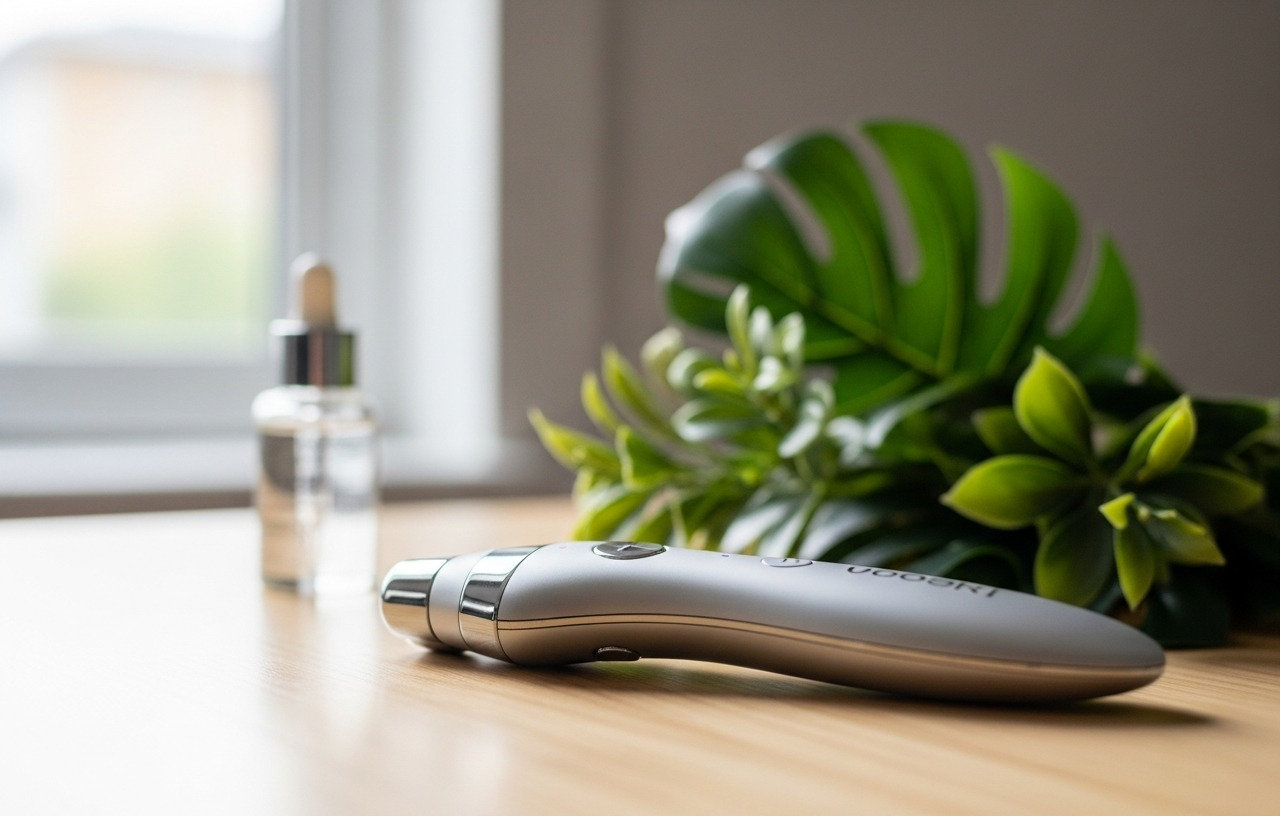
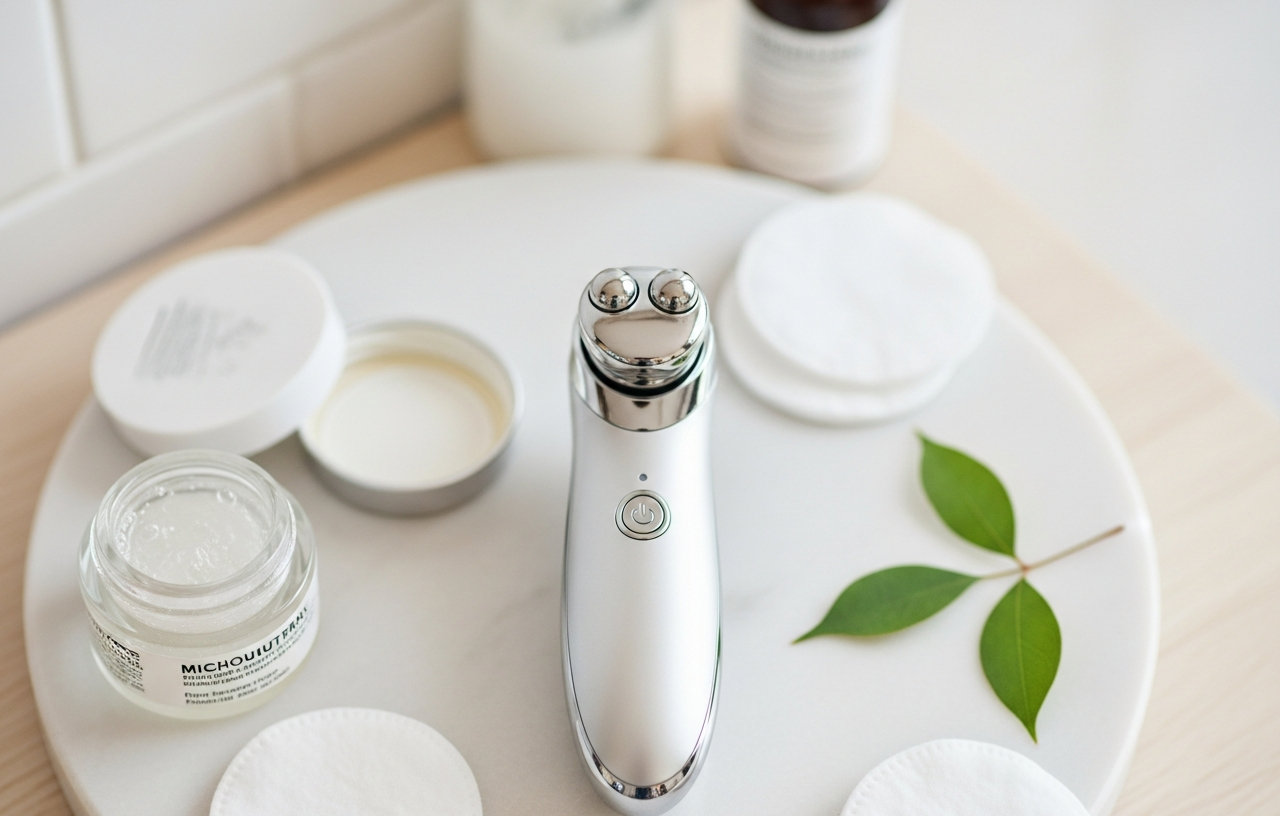
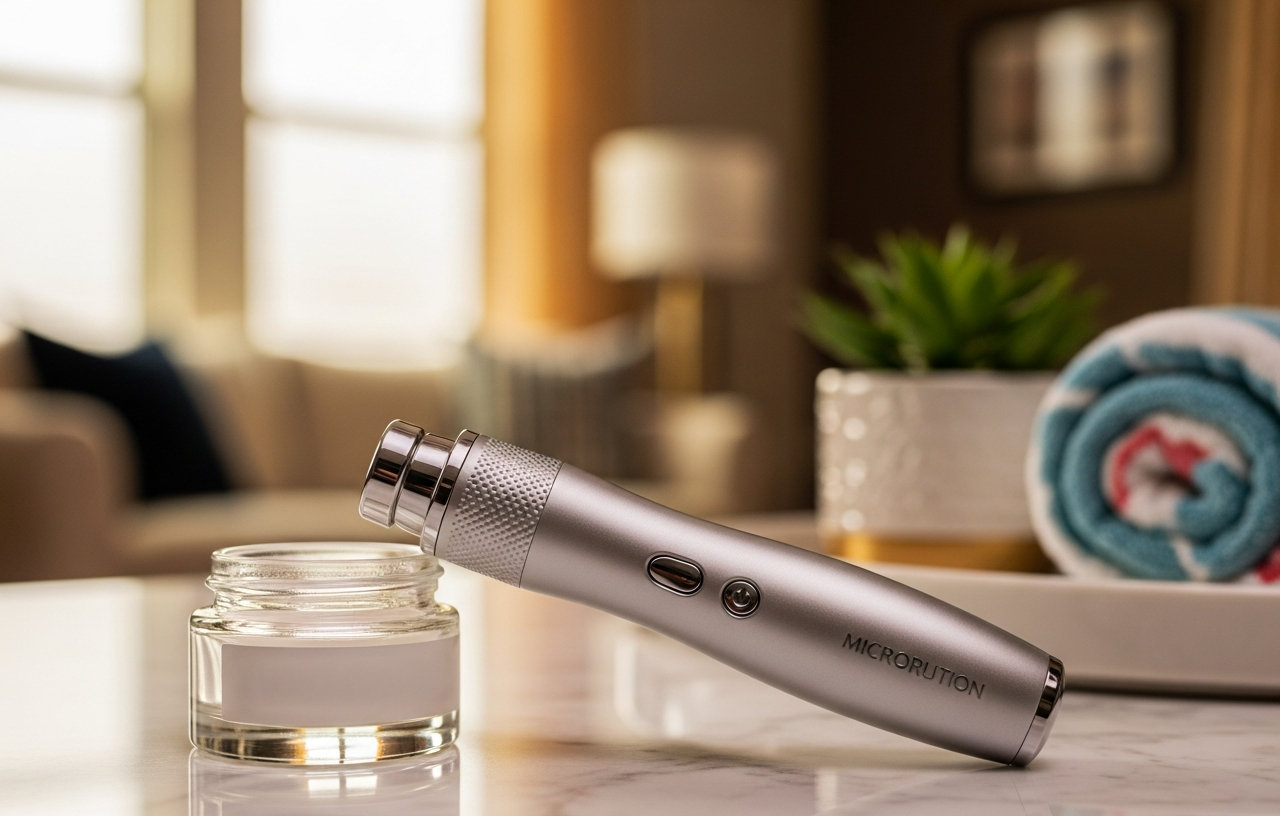
Microcurrent devices deliver low-level electrical currents to the facial muscles. These currents mimic the body's natural electrical impulses. The primary actions include stimulating adenosine triphosphate (ATP) production, which is the energy currency of cells, and promoting muscle re-education. ATP synthesis is believed to increase by up to 500% with microcurrent application, supporting cellular repair and collagen production over time.
Effects on Facial Muscles and Circulation
The gentle electrical stimulation causes subtle muscle contractions and relaxations. This action helps to tone and lift facial contours. Microcurrent therapy also enhances blood circulation and lymphatic drainage. Improved circulation delivers more oxygen and nutrients to skin cells. Lymphatic drainage helps reduce puffiness and remove waste products from the tissues. Home-use microcurrent devices typically operate at currents between 10 and 500 microamperes, with prices ranging from $150 to $500. Professional devices can reach up to 1,000 microamperes.
For more information on how these devices work, consider reading our guide on Best Microcurrent Facial Devices: Sculpt and Tone.
The Critical Waiting Period After Fillers
A waiting period is essential after dermal filler injections before using a microcurrent device. The exact duration varies based on the type of filler, the injection site, and individual healing rates. Consulting with your injecting physician or aesthetician is always the most reliable course of action.
Why Delay is Necessary
- Filler Displacement: Freshly injected fillers are soft and can be physically moved by external forces. The muscle contractions induced by microcurrent therapy, even if subtle, can cause the filler to shift from its intended location. This might lead to an uneven appearance or lumps.
- Accelerated Degradation: Microcurrent increases blood flow and cellular metabolism. While beneficial for skin health generally, this increased metabolic activity can potentially accelerate the breakdown of hyaluronic acid fillers. HA fillers are naturally metabolized by the body over time, and speeding this process reduces the longevity of your results.
- Increased Swelling and Bruising: Any manipulation of the treated area too soon can exacerbate post-injection swelling and bruising. The enhanced circulation from microcurrent might contribute to this, prolonging recovery time.
- Compromised Integration: The filler needs time to integrate smoothly with the surrounding tissue. Disrupting this process can prevent the filler from settling optimally, affecting the final aesthetic outcome.
Recommended Waiting Times
General guidelines suggest a minimum waiting period. For most hyaluronic acid fillers, a waiting period of two to four weeks is commonly advised. This allows sufficient time for the filler to stabilize and for initial swelling to subside. For areas prone to more movement, such as the lips, a longer waiting period might be prudent. Some practitioners recommend up to six weeks for complete integration, especially with denser fillers or in areas requiring significant volume correction.
Specific Considerations
- Lip Fillers: The lips are highly mobile. A longer waiting period, perhaps closer to four to six weeks, is often recommended to prevent displacement.
- Cheek Fillers: While cheeks are less mobile than lips, significant volume in this area also requires time to settle. Two to four weeks is a common recommendation.
- Under-Eye Fillers: The delicate skin and tissue around the eyes necessitate careful aftercare. A waiting period of at least two to three weeks is generally advised.
- Other Fillers (e.g., Radiesse, Sculptra): Non-HA fillers, such as calcium hydroxylapatite (Radiesse) or poly-L-lactic acid (Sculptra), work differently. Radiesse provides immediate volume and stimulates collagen, while Sculptra primarily stimulates collagen over several months. For these, a similar two to four-week waiting period is a safe starting point. However, always follow the specific post-care instructions provided by your injector, as these products have unique integration profiles.
Reintroducing Microcurrent Therapy Safely
Once the recommended waiting period has passed and your injector has given approval, you can gradually reintroduce your microcurrent device. Start with a gentle approach.
Gradual Reintroduction Steps
- Start with Lower Intensity: Begin with the lowest intensity setting on your microcurrent device. This allows your skin and underlying tissues to re-acclimate without undue stress.
- Observe Your Skin: Pay close attention to how your skin and the treated areas respond. Look for any signs of discomfort, redness, or changes in the filler's appearance.
- Short Sessions: Perform shorter treatment sessions initially. Instead of a full 10-minute routine, try 3-5 minutes, focusing on areas away from the direct filler injection sites.
- Avoid Direct Pressure: When gliding the device, make sure to use light pressure and avoid aggressively pushing or pulling the skin in areas where filler was injected.
- Gradual Increase: If no adverse reactions occur after a few sessions, you can slowly increase the intensity and duration of your microcurrent treatments over several weeks.
Benefits of Microcurrent After Fillers Have Settled
After the fillers have fully integrated, microcurrent therapy can complement your aesthetic results. It does not replace the volume-enhancing effects of fillers. Instead, it works on the muscles and skin quality.
Complementary Effects
- Muscle Toning: Microcurrent helps to tone and lift facial muscles, providing a sculpted appearance that can enhance the contours created by fillers.
- Improved Skin Firmness: By stimulating ATP production and encouraging collagen synthesis, microcurrent can improve the overall firmness and elasticity of the skin. This contributes to a smoother complexion.
- Enhanced Circulation: Better blood flow supports healthy skin function, delivering essential nutrients and oxygen. This can lead to a more refreshed and revitalized look.
- Reduced Puffiness: The lymphatic drainage benefits of microcurrent can help reduce any residual puffiness, especially around the eyes or jawline.
Their benefits are related to muscle tone and skin health.
When to Consult a Professional
Always consult your injecting physician or aesthetician before resuming any at-home beauty treatments, including microcurrent, after dermal filler injections. They have the most accurate information regarding the specific filler used, the injection technique, and your individual healing process. If you experience any unusual swelling, pain, redness, lumps, or asymmetry after using your microcurrent device, stop immediately and contact your provider. These could be signs of a complication requiring professional assessment.