What is Red Light Therapy for Skin?
Red light therapy for skin involves exposing the skin to low-level red and near-infrared (NIR) light wavelengths. This non-invasive treatment does not use UV light and does not cause tanning or burning. Instead, it delivers specific wavelengths, commonly between 630 and 850 nanometers (nm), directly to the skin's cells. These wavelengths are absorbed by mitochondria within the cells, which are often called the cell's powerhouses. This absorption triggers a cascade of biochemical reactions, primarily increasing adenosine triphosphate (ATP) production. More ATP means cells have more energy to perform their functions, including repair, regeneration, and protection.
The core principle behind what red light therapy does for your skin lies in this cellular energy boost. When skin cells are energized, they can function more efficiently. This enhanced cellular activity supports various skin processes, from producing essential proteins like collagen and elastin to reducing inflammation and promoting circulation. The depth of light penetration depends on the specific wavelength used. Red light (around 630-700 nm) typically targets superficial skin layers, while near-infrared light (around 700-1000 nm) penetrates deeper into tissues.
How Red Light Therapy Works at a Cellular Level
The mechanism of red light therapy is rooted in photobiomodulation (PBM), sometimes referred to as low-level light therapy (LLLT). When specific light photons, particularly red and near-infrared, reach the skin, they are absorbed by chromophores. A key chromophore in this process is cytochrome c oxidase (CCO), located in the mitochondria. This enzyme plays a vital role in the cellular respiration chain.
Upon absorbing the light, CCO undergoes a conformational change. This change disassociates nitric oxide (NO) from CCO, which typically inhibits mitochondrial function. With NO removed, oxygen utilization improves, leading to an increase in ATP synthesis. ATP is the primary energy currency of the cell. Higher ATP levels allow cells to accelerate their metabolic processes. This includes DNA repair, protein synthesis, and cellular proliferation.
Different wavelengths offer varying penetration depths and cellular targets. For example, red light at 630 nm is effective for superficial skin concerns, reaching the epidermis and upper dermis. A 660 nm wavelength can penetrate slightly deeper. Near-infrared wavelengths, such as 810 nm, 830 nm, and 850 nm, penetrate deeper into the dermis and subcutaneous tissue, reaching muscle and bone. This deeper penetration allows them to influence not only skin cells but also underlying connective tissues and blood vessels. The combination of red and near-infrared wavelengths in many devices aims to provide both superficial and deeper tissue benefits.
What Does Red Light Therapy Do for Your Face and Skin? Exploring the Benefits
The increased cellular activity stimulated by red light therapy translates into a range of benefits for the face and overall skin health. Many users wonder, what are the benefits of red light therapy? The effects are diverse and impact several aspects of skin appearance and function.
Stimulating Collagen and Elastin Production
One of the most sought-after benefits of red light therapy is its ability to stimulate fibroblasts. These are the cells responsible for producing collagen and elastin, two proteins essential for skin firmness, elasticity, and youthful appearance. As we age, collagen production naturally declines, leading to wrinkles and sagging. By energizing fibroblasts, red light therapy helps to counteract this decline. Regular use can lead to increased collagen density, which translates to a reduction in fine lines and wrinkles. This is a primary answer to what does red light therapy do for your face concerning anti-aging.
Reducing Inflammation and Redness
Red light therapy has anti-inflammatory properties. It can help modulate inflammatory pathways in the skin, reducing redness and soothing irritation. This makes it beneficial for conditions like rosacea, eczema, and general skin sensitivity. For those concerned with breakouts, red light therapy for acne can be a supportive treatment by calming inflamed lesions and promoting faster healing. It helps to reduce the overall inflammatory burden on the skin. Red Light Therapy for Acne: A step by step Guide
Improving Circulation and Wound Healing
The light wavelengths can enhance blood flow to the treated areas. Improved circulation means more oxygen and nutrients are delivered to skin cells, while waste products are removed more efficiently. This enhanced microcirculation supports the skin's natural healing processes. For instance, it can accelerate the healing of minor wounds, cuts, and even post-procedure recovery. What does red light do for skin in this context? It speeds up the cellular repair cycle, helping skin regenerate more quickly and effectively.
Addressing Hyperpigmentation and Skin Tone
While not a primary treatment for severe hyperpigmentation, red light therapy can contribute to a more even skin tone. By supporting cellular turnover and reducing inflammation, it can help diminish the appearance of dark spots and post-inflammatory hyperpigmentation over time. The overall effect is a brighter, more uniform complexion. Many people ask, what does red light therapy do for your skin regarding overall appearance? It contributes to a healthier, more balanced look.
Types of Red Light Therapy Devices for Home Use
The market offers a variety of red light therapy devices designed for home use, each with distinct features and applications. Understanding these differences helps in selecting the right tool for specific skin concerns.
LED Face Masks
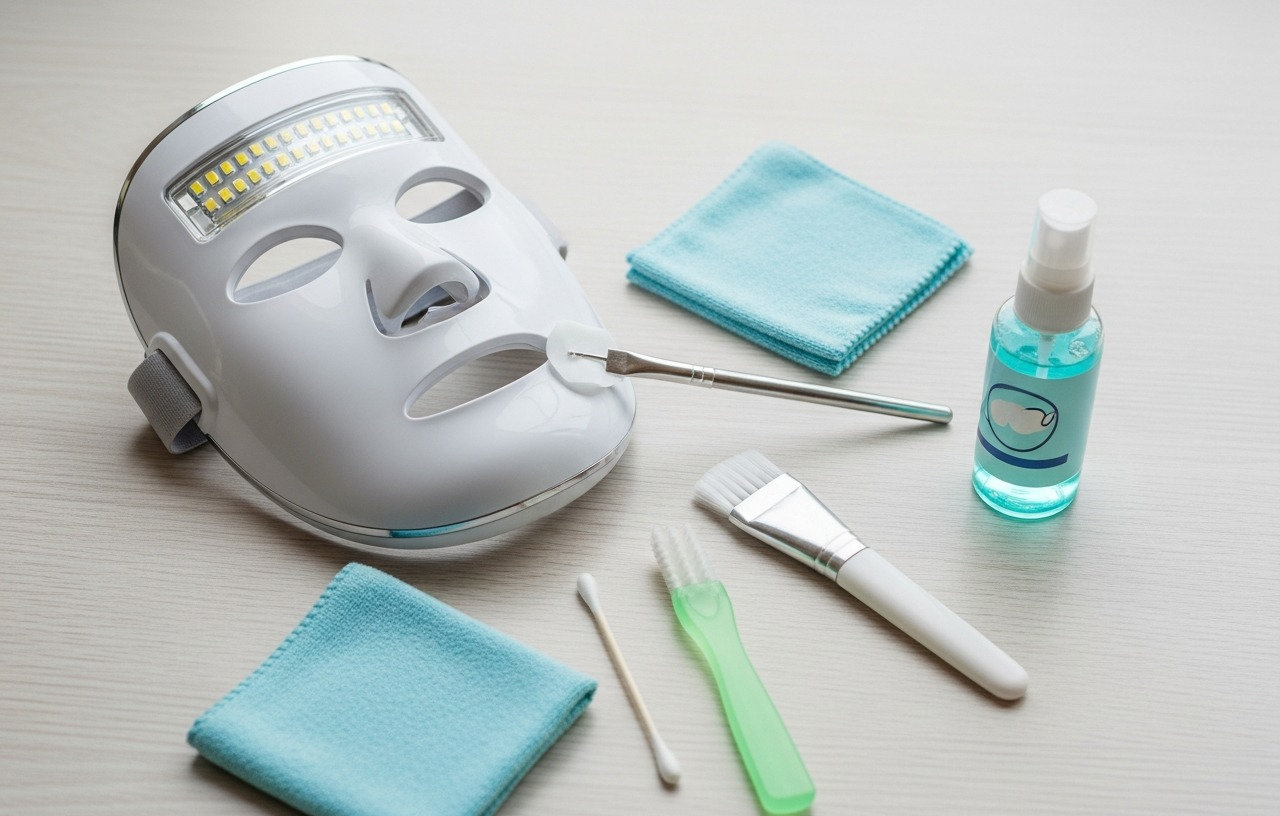
LED face masks are popular for facial treatment. These masks typically integrate multiple LED bulbs, emitting red and sometimes blue or near-infrared light. A common red light mask uses wavelengths around 630 nm and 660 nm. They offer hands-free treatment and ensure full facial coverage. The irradiance (power output) of home-use LED masks can vary significantly, often ranging from 10-50 mW/cm². This is lower than professional clinic devices but sufficient for consistent home use. What does a red light mask do? It delivers light directly to the face to stimulate skin cells. Best LED Face Masks: Ranked by Wavelength, Coverage, and Value
Red Light Therapy Panels
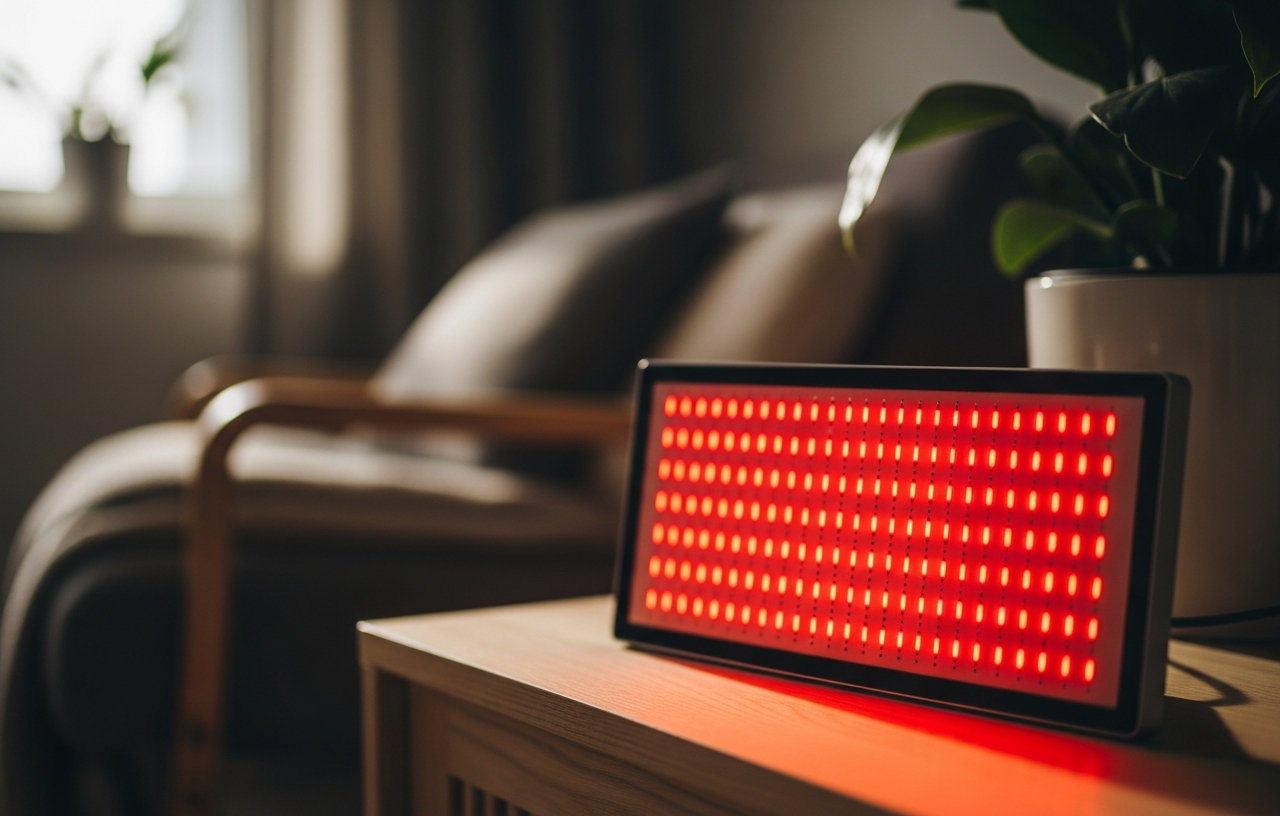
Red light therapy panels are larger devices, often designed for treating broader areas of the body, including the face. These panels usually feature a higher concentration of LEDs and greater power output, with irradiance levels potentially reaching 80-150 mW/cm² or more. They often combine red light (e.g., 660 nm) with near-infrared light (e.g., 850 nm) for deeper penetration. What is a red light therapy panel? It's a device offering more intense and widespread light exposure, ideal for full-body or targeted large-area treatments. What is a Red Light Therapy Panel? Understanding the Technology
Handheld Devices
Handheld red light therapy devices are compact and portable, suitable for targeted treatment of smaller areas or specific blemishes. They typically have fewer LEDs than masks or panels and lower overall power, though their focused beam can deliver adequate irradiance to a small spot. These are convenient for travel or quick touch-ups. The cost for handheld devices typically ranges from $50 to $200, while quality LED masks can be $100 to $500. Large panels can cost anywhere from $300 to over $1,000.
How to Use Red Light Therapy Safely and Effectively
Achieving optimal results from red light therapy depends on consistent and correct usage. Following recommended guidelines helps to maximize benefits and minimize any potential risks.
- Clean Skin: Begin with clean, dry skin. Remove all makeup, sunscreen, and skincare products that could block light penetration.
- Eye Protection: Always use eye protection when specified by the device manufacturer. Many devices, especially panels and some masks, come with blackout goggles. While red light is generally safe for eyes, strong irradiance can be uncomfortable.
- Treatment Duration: Adhere to the manufacturer's recommended treatment times, typically 10-20 minutes per session. Overexposure does not necessarily lead to better results and may be counterproductive.
- Frequency: Most protocols suggest 3-5 sessions per week for initial results, then scaling back to 2-3 sessions for maintenance. Consistency is more important than intensity.
- Distance (for Panels): When using panels, maintain the recommended distance from the device, usually 6-12 inches. This distance ensures optimal irradiance and coverage.
- Patience: Results are not immediate. Visible improvements in skin texture, tone, and fine lines often take 4-12 weeks of consistent use.
Different models have varying power outputs and recommended protocols.
Potential Side Effects and Contraindications
Red light therapy is generally considered safe for most people, with a low risk of side effects. It is a non-thermal therapy, meaning it does not generate heat in the same way lasers do, reducing the risk of burns.
Common Side Effects
- Mild Redness: Some individuals may experience temporary mild redness immediately after a session due to increased blood flow. This typically subsides within an hour.
- Temporary Sensitivity: A small number of users report a feeling of warmth or slight tingling during or immediately after treatment. This is usually mild and temporary.
Contraindications and Precautions
While safe for many, certain conditions warrant caution or avoidance:
- Photosensitizing Medications: Individuals taking medications that increase light sensitivity (e.g., certain antibiotics, retinoids) should consult a doctor before starting red light therapy.
- Pregnancy: The effects of red light therapy on pregnancy have not been extensively studied. It is advisable to avoid use during pregnancy without medical guidance.
- Epilepsy: Some light-sensitive individuals with epilepsy may be sensitive to flashing lights. While most red light devices emit a steady glow, some may have pulsed modes.
- Active Skin Conditions: Areas with open wounds, active infections, or suspicious skin lesions should not be treated without medical advice.
- Cancer: Individuals with a history of skin cancer or other cancers should consult their oncologist before using red light therapy.
Always consult with a dermatologist or healthcare provider if you have any underlying health conditions or concerns before beginning a new skincare treatment.
Red Light Therapy vs. Other Light Therapies
Understanding the differences between various light therapies helps clarify the specific role of red light therapy in skincare.
Red Light vs. Blue Light
Red light and blue light LED masks are often discussed together because they target distinct skin concerns. Blue light, typically around 415 nm, is primarily known for its antibacterial properties. It targets P. acnes bacteria, a key contributor to inflammatory acne. It helps reduce sebum production and calm active breakouts. Red light, as discussed, focuses on cellular repair, collagen stimulation, and inflammation reduction. For acne, blue light targets the bacteria, while red light helps heal existing lesions and reduce post-inflammatory marks. Some devices combine both for a comprehensive approach. Red Light vs. Blue Light LED Masks: Which Is Right For Your Skin?
Red Light vs. Near-Infrared Light
While often used together in devices, red light (600-700 nm) and near-infrared (NIR) light (700-1000 nm) have different penetration depths. Red light primarily affects the surface layers of the skin, making it effective for epidermal and upper dermal issues like fine lines, skin texture, and surface inflammation. Near-infrared light penetrates deeper into the dermis, subcutaneous tissue, muscle, and even bone. This deeper penetration allows NIR to address concerns like deeper inflammation, muscle recovery, and joint pain. Many comprehensive red light therapy devices use a combination of red and NIR wavelengths to offer both superficial and deeper tissue benefits simultaneously.
Red light therapy offers a non-invasive method to support skin health by boosting cellular energy and promoting natural repair processes. Its benefits range from stimulating collagen to reducing inflammation, making it a valuable tool for those seeking to improve their skin's appearance and resilience.