Facial steamers do not literally 'open' pores, as pores are static openings without muscles to contract or expand. The primary mechanism of a facial steamer involves delivering warm, moist air to the skin. This process increases skin surface temperature and hydration, which in turn softens the outermost layer of dead skin cells (stratum corneum) and helps to loosen hardened sebum and debris within the pore openings. This preparatory action makes subsequent cleansing, exfoliation, or gentle extraction more effective.
The Actual Impact of Steam on Pores
When warm steam makes contact with the skin, several physiological changes occur that contribute to its perceived benefits for clogged pores. These changes are not about 'opening' a pore, but rather about altering the physical state of the material inside and around the pore.
Softening Dead Skin Cells
The stratum corneum, the skin's outermost layer, consists of dead skin cells held together by lipids. Hydration from steam permeates this layer, increasing its pliability. This softening effect is similar to how skin becomes softer and more permeable after a warm bath. When the dead skin cells are less compacted and more flexible, they are easier to remove through gentle exfoliation or cleansing. This reduces the physical barrier that might be trapping sebum and other debris within the pore opening.
Loosening Sebum and Impurities
Sebum, the oily substance produced by sebaceous glands, can harden and mix with dead skin cells and environmental pollutants to form pore plugs. Warm steam helps to soften this hardened sebum. The elevated skin temperature can reduce the viscosity of the sebum, making it more fluid. This change in consistency allows the sebum to move more freely and makes it easier to dislodge from the pore when followed by cleansing or manual extraction. Facial steamers typically operate at temperatures between 40-45°C (104-113°F) at the nozzle, with the steam cooling slightly by the time it reaches the skin. This gentle warmth is sufficient to achieve the softening effect without causing burns, provided the user maintains an appropriate distance, usually 6 to 12 inches.
Enhancing Product Penetration
By softening the stratum corneum and increasing skin hydration, steam can temporarily improve the skin's permeability. This means that topical skincare products applied immediately after steaming may penetrate the skin more effectively. For instance, serums containing ingredients like hyaluronic acid or vitamin C might be absorbed more efficiently. This effect is temporary, lasting only as long as the skin remains hydrated and slightly warmer. It does not mean steam permanently alters the skin barrier, but rather creates a momentary window of opportunity for product delivery.
How to Use a Facial Steamer Effectively for Clogged Pores
Achieving the benefits of a facial steamer requires proper technique and integration into a consistent skincare routine. Remove all makeup, sunscreen, and surface impurities with a gentle cleanser. This step ensures that the steam can directly interact with the skin and pore contents, rather than pushing surface dirt deeper into the pores. Using a clean face also prevents the steam from creating a humid environment that could encourage bacterial growth from existing surface contaminants. Hair should be pulled back from the face to prevent it from becoming damp and interfering with the steaming process.
Steaming Duration and Frequency
Most experts suggest steaming for 5 to 10 minutes. This duration is generally sufficient to achieve the desired softening and loosening effects without over-hydrating or irritating the skin. For individuals with sensitive skin, a shorter duration of 3-5 minutes may be more appropriate. Steaming frequency should be limited to one to two times per week. Excessive steaming can strip the skin's natural oils, leading to dryness, irritation, or even a compensatory increase in oil production. Always use distilled water in your steamer to prevent mineral buildup in the device and to avoid introducing impurities to your skin.
Post-Steaming Skincare Routine
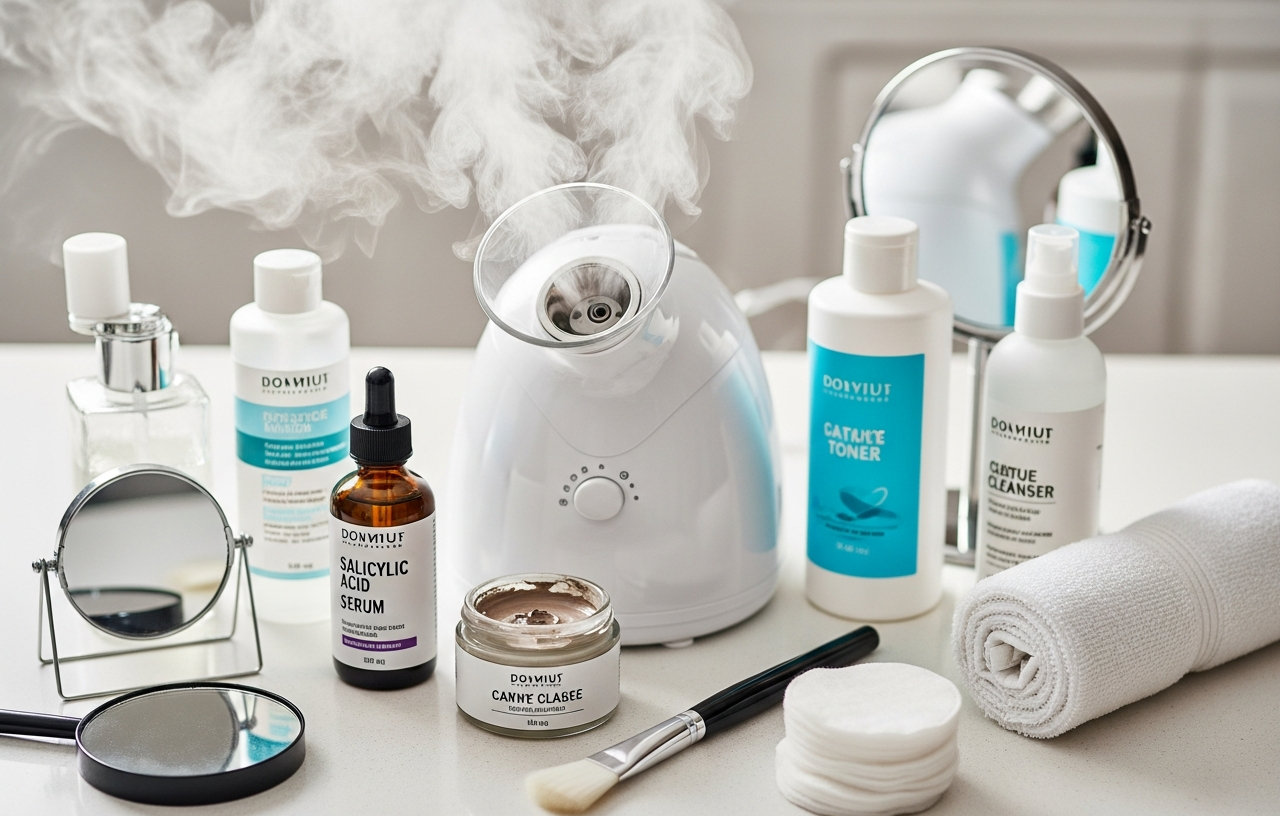
The period immediately after steaming is critical for addressing clogged pores. The softened skin and loosened sebum are now more receptive to treatment. This is the ideal time for exfoliation, either with a gentle physical exfoliant or a chemical exfoliant containing salicylic acid or glycolic acid. Follow exfoliation with a targeted treatment, such as a clay mask or a pore-cleansing serum, to draw out impurities. Finish the routine with a hydrating moisturizer to replenish any lost moisture and support the skin's barrier function. Avoid aggressive squeezing or picking at pores, as this can cause trauma, inflammation, and potential scarring.
Limitations of Facial Steamers for Deep Clogs
While facial steamers are beneficial for preparing the skin, they are not a standalone solution for all types of clogged pores. Their efficacy is primarily for superficial clogs and general skin preparation.
When Steam Isn't Enough
Deep-seated blackheads, whiteheads, and cystic acne often involve more than just superficial hardened sebum. These conditions may include significant inflammation, bacterial involvement, or deeply impacted pore contents that steam alone cannot resolve. For example, a blackhead that has been present for weeks or months may be too firmly lodged for steam to effectively loosen it. Similarly, a closed comedone (whitehead) has an intact skin layer over the pore, which limits the steam's ability to penetrate directly and soften the contents.
Alternatives for Persistent Clogs
For persistent or severe clogged pores, other treatments are typically more effective. Topical retinoids (like tretinoin or adapalene) work by normalizing skin cell turnover and preventing new clogs from forming. Salicylic acid, a beta-hydroxy acid, is oil-soluble and can penetrate into the pore to dissolve sebum and dead skin cells directly. Professional extractions performed by a licensed aesthetician or dermatologist can safely remove deeply impacted blackheads and whiteheads without damaging the skin. For inflammatory acne, a dermatologist might prescribe antibiotics or other specialized treatments. Combining a facial steamer with these more potent treatments can offer a comprehensive approach to managing clogged pores, where the steamer acts as an effective preparatory step.
Safety and Hygiene Considerations
Proper care of your facial steamer and thoughtful use are essential to prevent adverse skin reactions and maintain the device's longevity.
Water Quality and Device Maintenance
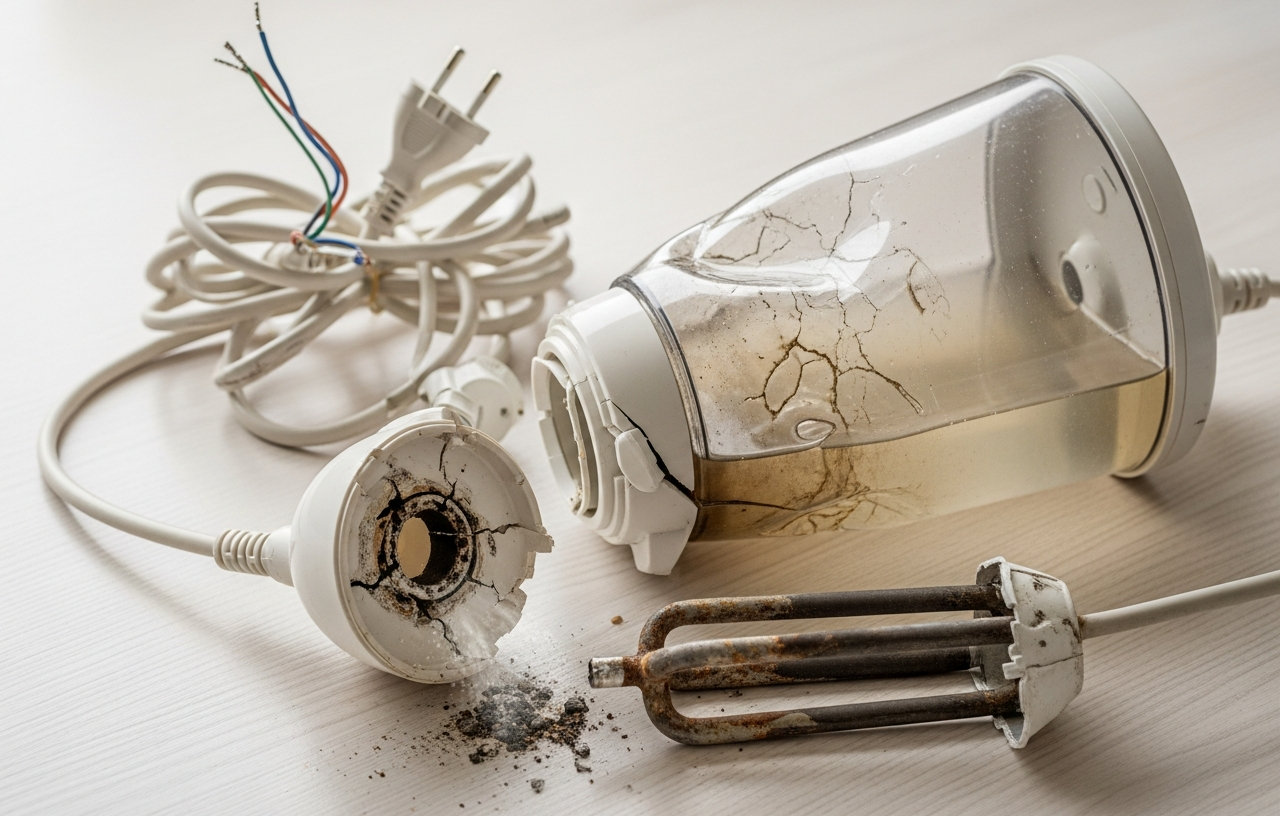
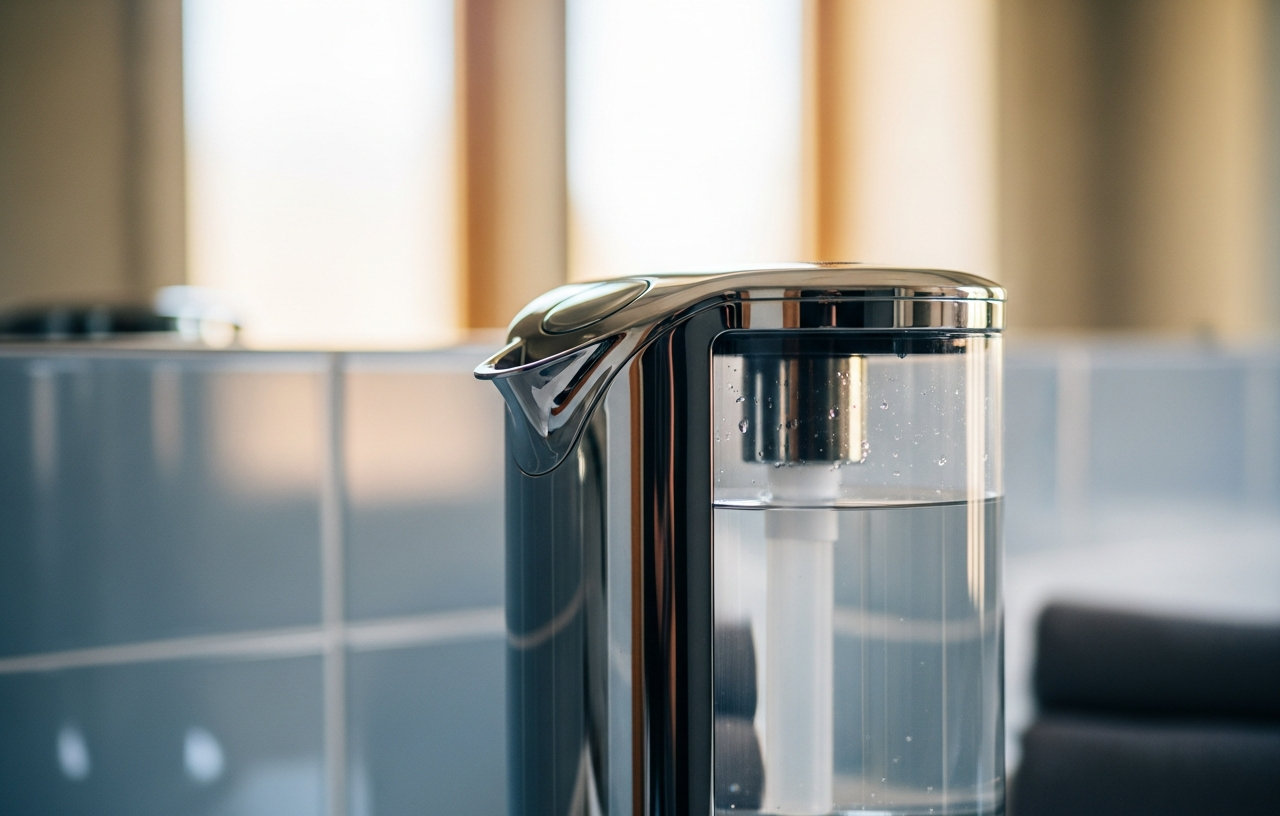
Always use distilled or purified water in your facial steamer. Tap water contains minerals, such as calcium and magnesium, which can accumulate inside the device, leading to mineral buildup and reduced efficiency. Mineral deposits can also be released into the steam, potentially depositing on the skin. Regular cleaning of the steamer is vital. After each use, empty any remaining water from the reservoir. Follow the manufacturer's instructions for periodic deep cleaning, which often involves running a solution of water and white vinegar through the system to dissolve mineral buildup. Failing to clean the device can lead to the growth of mold or bacteria, which can then be dispersed onto the face during steaming, potentially exacerbating skin issues.
Avoiding Skin Irritation
While steam is generally gentle, improper use can lead to irritation. Maintain a distance of at least 6 to 12 inches from the steam nozzle to your face. Placing the face too close can cause excessive heat exposure, leading to redness, sensitivity, or even mild burns. People with rosacea, very sensitive skin, or conditions like eczema should use facial steamers with caution, as the heat and moisture can trigger flare-ups. If you experience excessive redness, itching, or discomfort, discontinue use immediately. Always test the steam temperature with your hand before directing it to your face. For those considering a facial steamer, reviewing options and understanding their features can be helpful. For additional information on available devices, consider exploring a guide on best facial steamers. If you are also interested in addressing acne with other technologies, information on red light therapy for acne can provide further insights.