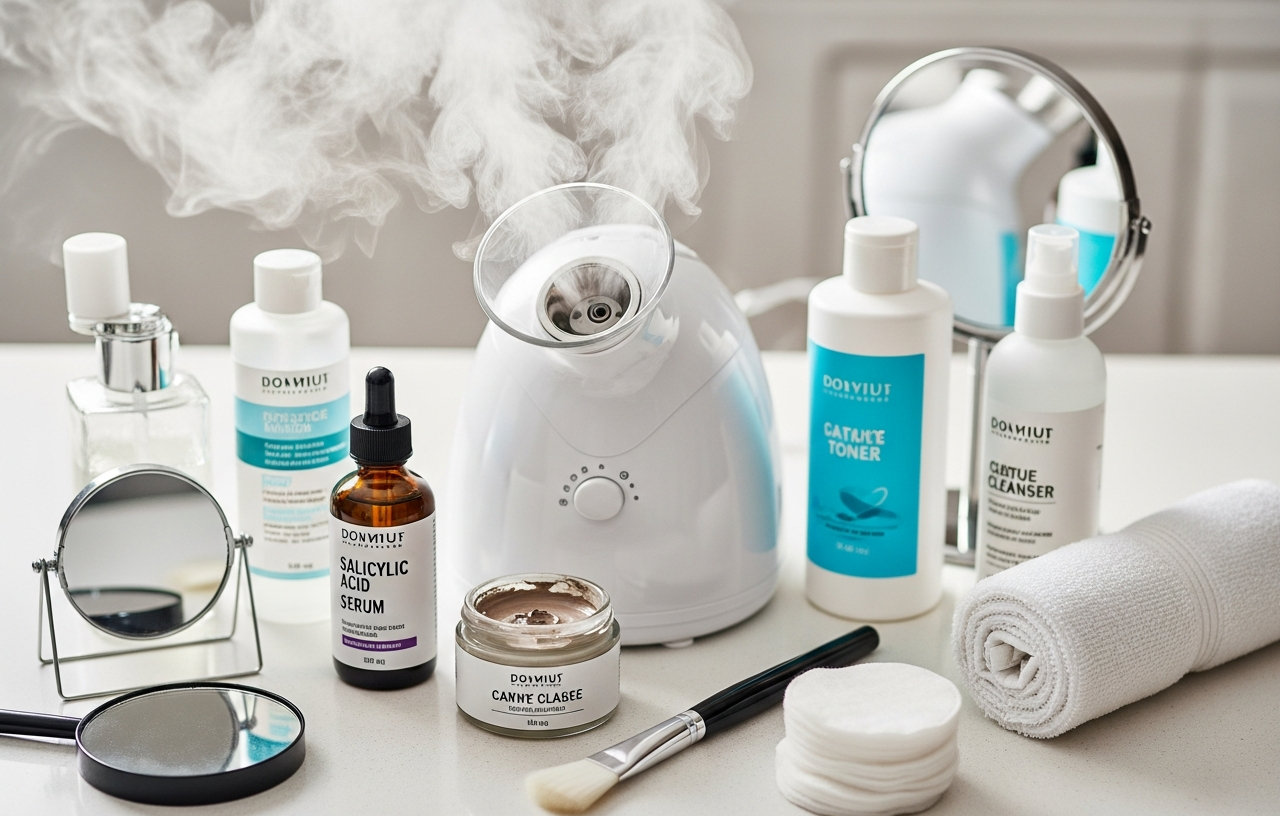
A facial steamer that suddenly stops producing steam can be frustrating, especially when you rely on it for your skincare routine. Most problems stem from water quality, mineral accumulation, or minor blockages. This guide will help you diagnose why your facial steamer is not producing steam and provide steps to fix it, or decide if it is time for a replacement.
Check the Water Tank and Water Type
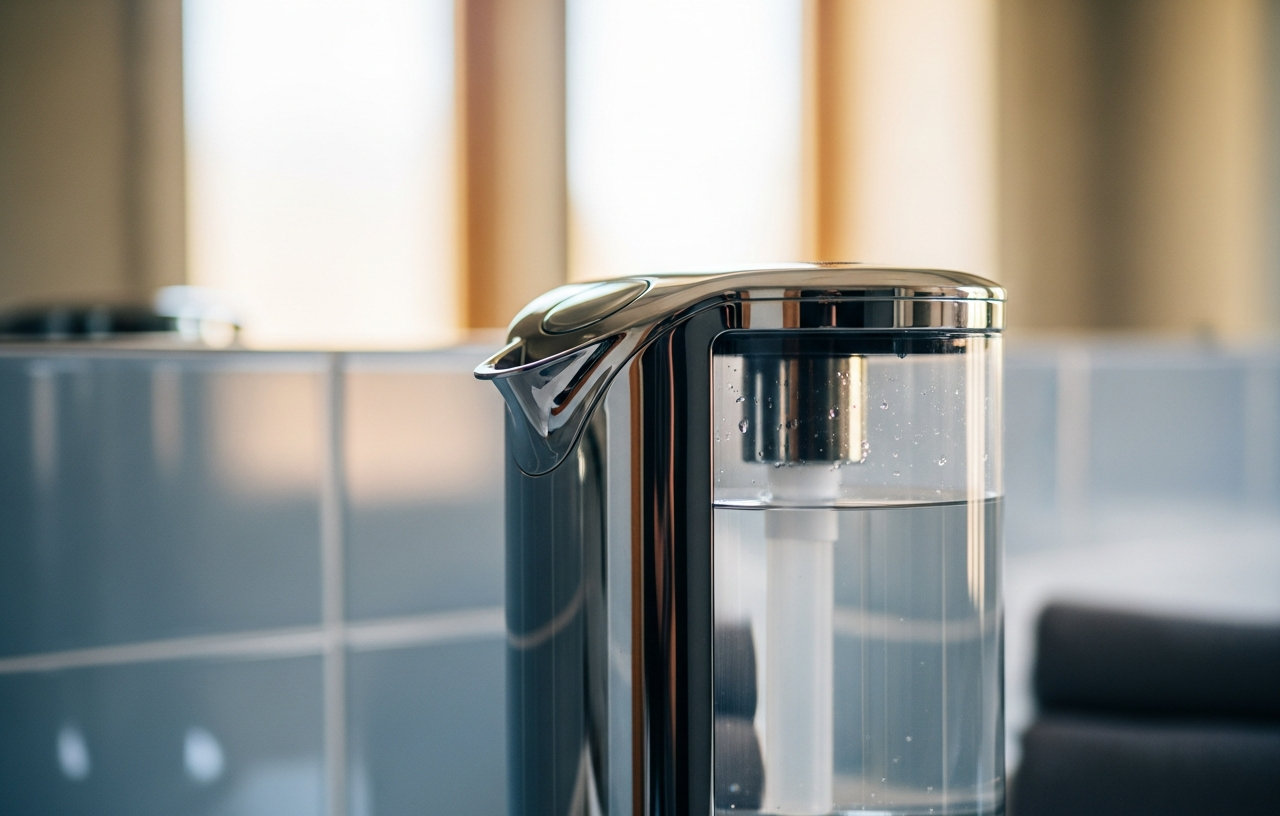
The simplest explanation for a lack of steam is often an empty or improperly filled water tank. Always make sure the tank is filled to the indicated maximum line. Overfilling or underfilling can sometimes interfere with the heating element's ability to draw water effectively.
Using the Correct Water Type
Many users overlook the importance of water quality. Tap water, even filtered tap water, contains minerals like calcium and magnesium. These minerals deposit on the heating element and inside the steam nozzle over time, creating limescale or mineral buildup. This buildup significantly reduces efficiency and can eventually block steam production entirely. Always use distilled water in your facial steamer. Distilled water is free of minerals and will prevent most scaling issues. Filtered water from a pitcher or refrigerator dispenser is not the same as distilled water; it still contains minerals.
Address Mineral Buildup (Limescale)
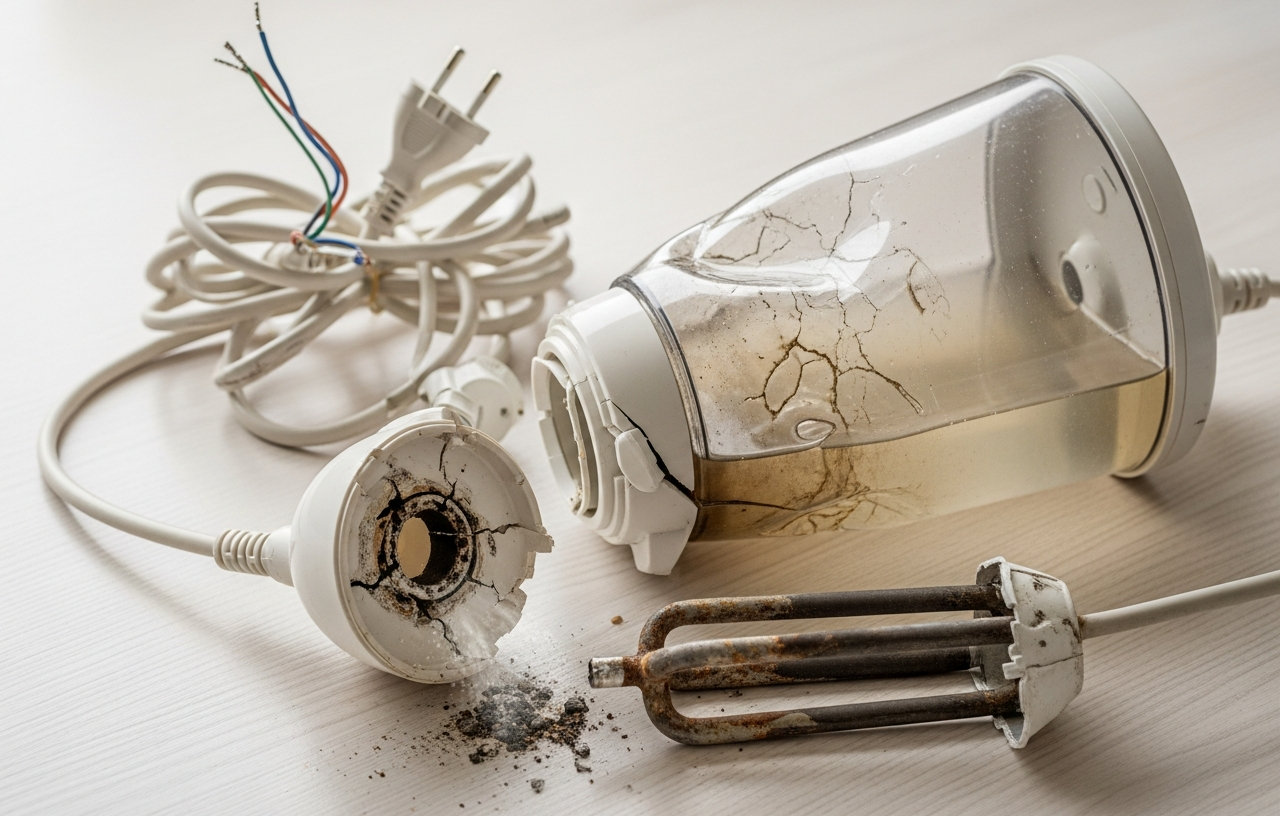
Mineral buildup is the most frequent culprit behind a facial steamer not producing steam, especially if you have been using tap water. Limescale acts as an insulator, preventing the heating element from effectively heating the water to create steam. It can also clog the small pathways where steam escapes.
Descaling Your Steamer
- Unplug the device: Always disconnect your steamer from the power source before cleaning.
- Empty the water tank: Discard any remaining water.
- Prepare a descaling solution: Mix equal parts white vinegar and distilled water. For example, use one cup of white vinegar and one cup of distilled water.
- Fill the tank: Pour the vinegar and water solution into the water tank.
- Run a short cycle (optional, with caution): Some manufacturers recommend running a short steam cycle (5-10 minutes) with the descaling solution. Place the steamer in a well-ventilated area, like near an open window, as the vinegar smell can be strong. Make sure the steam is directed away from you. This step helps the solution reach the internal components.
- Let it sit: After the cycle, or if you skipped it, let the solution sit in the tank for 30 minutes to an hour. For heavy buildup, you can let it sit for several hours or overnight.
- Empty and rinse: Pour out the vinegar solution. Thoroughly rinse the water tank and any removable parts with clean, distilled water multiple times to remove all traces of vinegar.
- Run clear water cycles: Fill the tank with distilled water and run two or three full steam cycles. This flushes out any remaining vinegar residue and loosened mineral particles. Again, direct steam away from your face.
Regular descaling, ideally every 1-2 months depending on usage and water hardness (if you occasionally use non-distilled water), will significantly extend your steamer's life and maintain optimal steam output. A descaling solution for small appliances typically costs between $5 and $15.
The Amconsure Facial Steamer, a popular nano-ionic face steamer, relies on a clean heating element for its powerful, fine mist. Consistent use of distilled water and regular descaling are particularly important for devices like this, which feature advanced heating technology to produce nano-ionic steam, known for its ability to improve blood circulation and cell vitality.

- Amconsure face steamer not only helps dry skin by adding moisture, opens pores to allow better.
- Benefits of Nano Steaming include up to 10x improved blood circulation, Improves cell vitality and oxygen.
- Amconsure facial steamer is a new type of steamer that generates nano-ionic steam,Full-Powered Steam only.
- :The hot mist opens the pores, removes the skin toxins, cosmetics residue, easy to clean, removes makeup.
Check for Clogged Nozzles or Vents
Even with distilled water, tiny particles or residual minerals can sometimes accumulate in the steam nozzle or air vents. This can restrict or entirely block the steam flow.
Cleaning the Nozzle
Inspect the steam output nozzle. If you see any visible debris or white, crusty residue, gently clean it. You can use a cotton swab dampened with distilled water or a soft brush to dislodge any blockages. For stubborn clogs, a toothpick or a small needle can carefully clear the opening, but use extreme caution to avoid damaging the nozzle. Some steamers, like the Ozone Steamer with Extendable Arm, have larger or more accessible nozzles which can make cleaning easier.

- Effectively Deep Moisturizing: Compared to normal steam, kingsteam take the advanced PTC ceramic heating.
- Essential Oil Steamer: Aromatherapy diffusing function is provided. Skin can feel and absorb the fragrance.
- Ozone Facial Steamer: Kingsteam steamer is equipped with an ozone switch to enhance the atomization.
- Extendable Arm and 360° Rotatable Sprayer: You can adjust the length of arm and the angle of sprayer.
Power Supply and Electrical Issues
If your facial steamer is not heating up at all, the problem might be electrical. This is more fundamental than a lack of steam, as no heat means no steam.
Troubleshooting Power
- Check the outlet: Plug another appliance into the same outlet to confirm it is working. If not, check your circuit breaker.
- Inspect the power cord: Look for any visible damage, frayed wires, or bent pins on the plug. A damaged cord needs replacement, which can cost $10-30 if a compatible one is available from the manufacturer or a third-party seller. Do not use a damaged cord.
- Verify the power button/switch: Make sure the device is properly turned on. Some steamers have indicator lights that confirm power is reaching the unit.
- Reset the device: Some steamers have an internal reset mechanism, often activated by unplugging the device for a few minutes and then plugging it back in. Consult your user manual for specific instructions.
If none of these steps work, the issue could be with the internal wiring or the heating element itself, which usually requires professional repair or replacement of the unit.
Malfunctioning Heating Element or Internal Components
When all other troubleshooting steps fail, the heating element itself might be faulty. This is a less common issue but can happen, especially with older devices or those that have experienced significant mineral buildup over time. A faulty heating element will prevent water from reaching the temperature required to produce steam.
Signs of a Faulty Heating Element
- The steamer powers on, but the water never gets hot.
- There is no steam, even after descaling and checking for clogs.
- The device might trip a circuit breaker when turned on.
Replacing a heating element in a facial steamer is usually not a DIY repair. It requires opening the device, which can void warranties and pose electrical safety risks. The cost of parts and labor for a professional repair could range from $50 to $150, depending on the steamer's complexity and the repair service. For many home facial steamers, which range in price from $30 to $150 new, this repair cost makes replacement a more economical option.
Professional models, like the Professional Facial Steamer for Deep Hydration with a 5X Magnifying Lamp, might be worth repairing due to their higher initial cost and specialized features, but for most personal use devices, a new purchase is often the practical choice.

- This ozone facial steamer for home use is a nano-scale spa device. The hot ionic steam can open pores for.
- This facial steamer with 5X magnifying Lamp and LED light is designed with innovative structure, timer.
- The height of this standing facial steamer can be adjusted from 36-52 inches, the nozzle can be rotated.
- This facial steamer for estheticians is suitable for all types of water, but it is recommended to use.
When to Consider Replacement
Deciding whether to repair or replace your facial steamer depends on several factors:
- Age of the device: Older steamers are more prone to component failure.
- Cost of repair: If the estimated repair cost (including shipping for service) approaches or exceeds 50-75% of the cost of a new, comparable steamer, replacement is usually the better value.
- Availability of parts: Some manufacturers do not offer replacement parts for smaller appliances, making repair impossible.
- Warranty: If your steamer is still under warranty, contact the manufacturer for repair or replacement options.
Many facial steamers are designed as relatively inexpensive appliances, meaning internal repairs are often not cost effective. Investing in a new, high quality steamer and committing to proper maintenance, especially using distilled water, can prevent future issues.
Understanding what to look for when your facial steamer fails to produce steam can save you time and money. By systematically checking the water, addressing mineral buildup, and inspecting for clogs, you can often revive your device. If the problem persists, considering a new unit might be the most efficient path forward for your skincare needs.
For more information on choosing the right device, you can read our Best Facial Steamers: Ranked by Steam Output, Pore Penetration guide.