Understanding IPL Technology and Its Interaction with Skin
IPL, or Intense Pulsed Light, works by emitting broad-spectrum light waves that target the melanin (pigment) in hair follicles. The light energy is absorbed by the melanin, converting into heat. This heat damages the hair follicle, inhibiting future hair growth. The effectiveness and safety of this process depend heavily on the contrast between hair color and skin tone. Devices sold for home use typically range in price from $150 to $500, with professional treatments costing $200-$600 per session.
The primary concern with IPL hair removal is its potential to damage skin. Because IPL targets melanin, it can inadvertently affect melanin in the skin itself, not just in the hair. If the skin contains too much melanin, or if the energy setting is too high for a given skin type, the light can be absorbed by the surrounding skin cells. This absorption causes the skin to heat up excessively, leading to various forms of damage.
Home IPL devices are designed with safety features like skin tone sensors, which prevent the device from firing on very dark skin tones. However, these sensors are not foolproof and user error remains a significant factor in adverse reactions. For instance, using an IPL device on skin that is too dark, even if the device allows it, can result in complications. Similarly, using a device with an energy level higher than recommended for your specific skin tone can cause problems.
Common Types of Skin Damage from IPL
Skin damage from IPL can manifest in several ways, ranging from mild irritation to more serious, long-lasting issues. Recognizing these potential problems helps users take precautions.
Burns and Blisters
Burns are one of the most immediate and noticeable forms of IPL damage. These occur when the skin absorbs too much light energy, causing an excessive temperature increase. First-degree burns might appear as redness and swelling, similar to a severe sunburn. Second-degree burns can lead to blisters, which indicate damage to deeper skin layers. These blisters can be painful and carry a risk of infection if not properly cared for.
A common scenario for burns is using an IPL device on freshly tanned skin. Tanned skin has increased melanin content, making it more susceptible to absorbing the IPL light. Even if the tan is subtle, it can significantly raise the risk. Another cause is applying the device to an area multiple times without proper cooling or waiting intervals, or using a setting that is simply too high for the individual's skin sensitivity. Device malfunctions, though rare, can also contribute to uneven energy delivery and localized burns.
Hyperpigmentation and Hypopigmentation
Disruptions to melanin production can result in changes to skin color. Hyperpigmentation refers to the darkening of skin patches, appearing as brown or black spots. This happens when the IPL energy stimulates melanocytes (melanin-producing cells) to produce excess pigment as a protective response to heat. It is more common in individuals with medium to darker skin tones (Fitzpatrick skin types III-VI) who have a higher baseline melanin content.
Conversely, hypopigmentation is the lightening of skin patches, appearing as white or pale spots. This occurs when the IPL energy damages or destroys melanocytes, leading to a reduction or complete loss of melanin production in the treated area. Hypopigmentation can be more difficult to treat and may be permanent in some cases. Both hyperpigmentation and hypopigmentation can be exacerbated by sun exposure after treatment without adequate sun protection.
Redness, Swelling, and Irritation
Mild redness and swelling are normal side effects immediately after an IPL session. These reactions usually subside within a few hours to a day. However, persistent or severe redness, accompanied by significant swelling, itching, or a feeling of intense heat, indicates an adverse reaction. This can be due to an overly aggressive treatment, an allergic reaction to device components or gels, or simply very sensitive skin reacting poorly to the light energy.
For example, if a user experiences redness that lasts for more than 48 hours, or if the treated area feels hot to the touch for an extended period, it suggests the skin has absorbed too much energy. Proper cooling of the skin before, during, and after treatment can help mitigate these effects. Many home IPL devices include cooling features or recommend using a cold compress post-treatment.
Factors Increasing IPL Skin Damage Risk
Several factors influence the likelihood of experiencing skin damage from IPL hair removal. Understanding these can help users make informed decisions and apply treatments safely.
Skin Tone and Hair Color
The fundamental principle of IPL is melanin targeting. This makes it most effective and safest for individuals with light skin and dark hair. The high contrast allows the light to preferentially target the hair follicle's melanin while minimizing absorption by the surrounding skin.
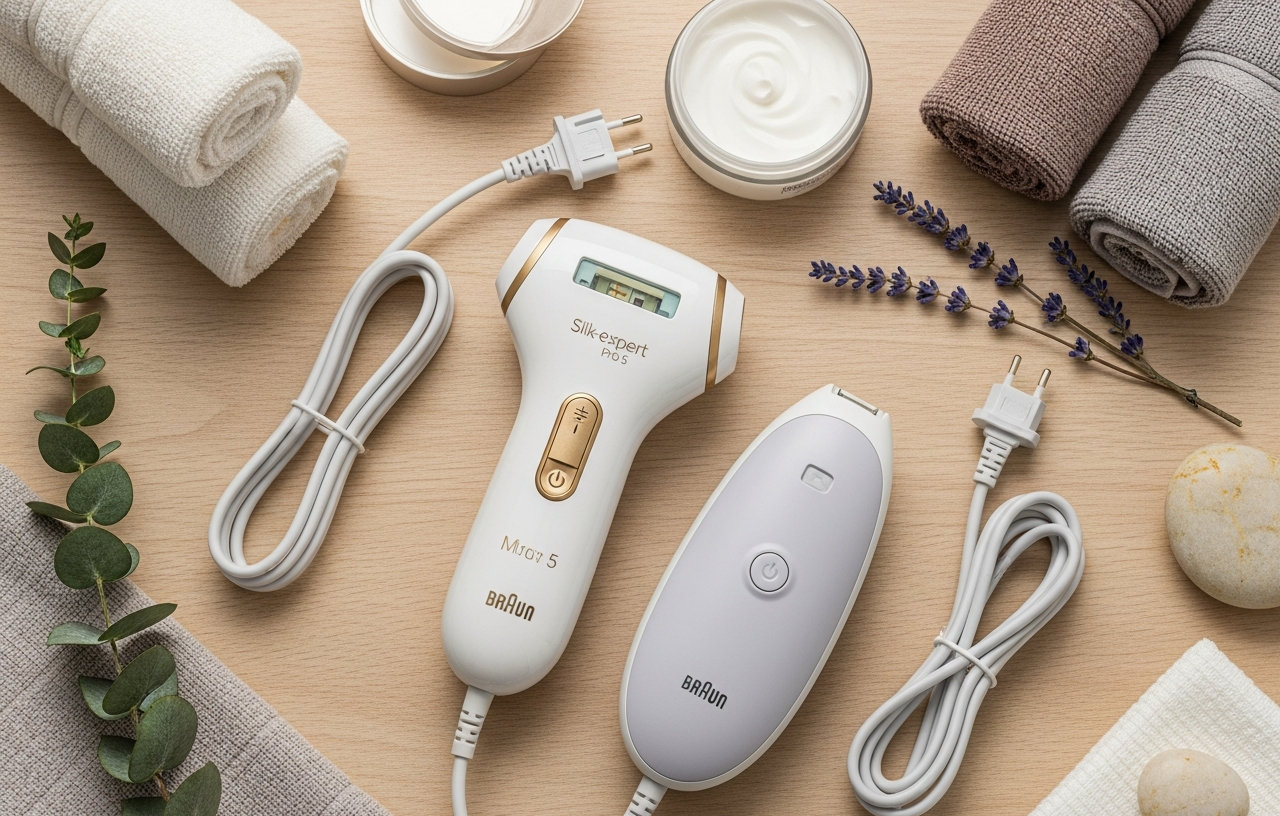
Individuals with darker skin tones have more melanin in their epidermis. This increased melanin means their skin is more likely to absorb the IPL energy, even at lower settings, raising the risk of burns, hyperpigmentation, or hypopigmentation. Most reputable home IPL devices include a skin tone chart and a sensor to prevent use on very dark skin. For instance, a device like the Braun Silk-expert Pro 5 has a SensoAdapt™ sensor that continuously reads skin tone and adjusts intensity automatically, but even with such technology, user awareness of skin type limitations is vital.
Conversely, individuals with very light, red, gray, or white hair may find IPL ineffective. These hair colors contain little to no melanin, meaning the IPL light has no pigment to target, making the treatment largely futile. Attempting to compensate for this by increasing energy settings on such hair can still damage the surrounding skin without achieving hair removal.
For more details on how the technology works, you can refer to our article on IPL Hair Removal Explained: How It Works & What to Expect.
Incorrect Device Settings and Usage
Using an IPL device with settings that are too high for your skin type is a primary cause of adverse effects. Home devices typically offer multiple energy levels. Starting with the lowest recommended setting and gradually increasing it, only if tolerated, is a standard safety protocol. Failing to follow this advice can quickly lead to burns or irritation.
Improper technique also contributes to risk. This includes not shaving the area before treatment (hair on the surface can burn the skin), overlapping pulses (treating the same spot multiple times in quick succession), or not holding the device flush against the skin (allowing light to scatter and potentially cause uneven treatment or flashes into the eyes). Manufacturers provide detailed instructions for specific models, such as the recommended glide method versus stamp method, and adhering strictly to these guidelines is important.
Sun Exposure and Photosensitizing Medications
Recent sun exposure, including tanning beds or natural sun, increases the melanin content in the skin, making it more vulnerable to IPL damage. It is generally recommended to avoid sun exposure for at least two to four weeks before and after IPL treatment.
Certain medications can make the skin more sensitive to light, a condition known as photosensitivity. Examples include some antibiotics (like tetracyclines), retinoids (oral isotretinoin, topical tretinoin), and certain diuretics. Using an IPL device while on such medications can significantly heighten the risk of severe burns, blistering, and pigmentation changes. Always consult a healthcare professional before starting IPL if you are taking any medications or have underlying medical conditions.
Safe Practices for IPL Hair Removal at Home
Minimizing the risk of skin damage from IPL devices involves careful preparation, correct application, and attentive aftercare.
Patch Testing
Before treating a larger area, perform a patch test on a small, inconspicuous part of the skin that you intend to treat. This allows you to assess your skin's reaction to the IPL device at a specific energy setting. Apply one or two flashes at the lowest recommended setting. Wait 24 to 48 hours to observe for any adverse reactions like excessive redness, blistering, or irritation. If no negative reactions occur, you can proceed with treatment, potentially increasing the energy setting gradually if your skin tolerates it well.
This step is non-negotiable for new users or when treating a new body area. It helps confirm your skin type's compatibility with the device and chosen energy level.
Following Manufacturer Guidelines
Every IPL device comes with a detailed user manual. These manuals contain specific instructions regarding skin tone compatibility, recommended energy settings for different body areas, proper technique, and maintenance. Adhering to these guidelines is not optional; it is a safety imperative. For example, some devices might recommend a specific number of flashes per area or a particular interval between treatments (e.g., once every two weeks for the first few sessions, then monthly for maintenance). Deviating from these instructions can increase the risk of damage or reduce the effectiveness of the treatment.
Pre- and Post-Treatment Care
- Before Treatment: Shave the area to be treated. This ensures the IPL energy targets the hair follicle directly and not the surface hair, which can singe and cause skin irritation. Clean the skin thoroughly, making sure it is free of lotions, oils, or deodorants. Make sure the skin is completely dry.
- During Treatment: Use the appropriate energy setting for your skin tone, starting low. Wear protective eyewear if recommended by the manufacturer. Ensure the device window is fully in contact with the skin to prevent light leakage.
- After Treatment: Apply a soothing, unscented moisturizer or aloe vera gel to the treated area to help calm the skin. Avoid hot showers, saunas, and strenuous exercise for 24-48 hours. Protect treated areas from direct sun exposure with clothing or broad-spectrum SPF 30+ sunscreen.
When to Avoid IPL Hair Removal
Certain conditions and circumstances make IPL hair removal unsuitable or risky. Ignoring these contraindications can lead to serious skin damage or health complications.
- Dark Skin Tones: As discussed, individuals with Fitzpatrick skin types V and VI are generally not good candidates for IPL due to the high risk of pigmentation changes and burns.
- Light Hair Colors: White, gray, red, or very blonde hair will not respond to IPL treatment because they lack sufficient melanin.
- Tattoos, Moles, and Freckles: IPL light should not be used over tattoos, as the dark pigment will absorb the light and can cause burns, blistering, and damage to the tattoo itself. Moles, freckles, and birthmarks should also be avoided, as the intense light can cause changes in these pigmented lesions, making it difficult to detect potential skin cancer.
- Medical Conditions and Medications: Avoid IPL if you have a history of skin cancer, epilepsy, certain bleeding disorders, or severe skin conditions like active eczema or psoriasis in the treatment area. Pregnant or breastfeeding individuals should also postpone IPL treatments. As mentioned, certain photosensitizing medications are a contraindication.
- Recent Procedures: If you have recently undergone chemical peels, laser resurfacing, or have active cold sores or infections in the treatment area, wait until your skin has fully healed and your doctor approves.
For those considering home IPL devices, researching specific models and their features, such as the differences between the Braun Silk-expert Pro 5 and Pro 7, can be helpful. You can find more information in our comparison guide: Braun Silk-expert Pro 5 vs. Pro 7: Which IPL Device is Best?
long term Outlook and Professional Consultation
Most minor side effects from IPL, such as redness or mild irritation, resolve within a few days. Pigmentation changes, if they occur, can sometimes fade over several weeks or months, but in some cases, especially with hypopigmentation, they can be permanent. Burns, depending on their severity, may require medical attention and could lead to scarring.
If you experience any severe or persistent adverse reactions from IPL, such as deep blistering, intense pain, significant swelling, or lasting changes in skin color, consult a dermatologist or healthcare professional immediately. They can provide diagnosis, treatment, and guidance to minimize long term complications. For some, professional IPL or laser hair removal treatments, administered by trained technicians, might be a safer option due to the higher level of control and expertise involved.