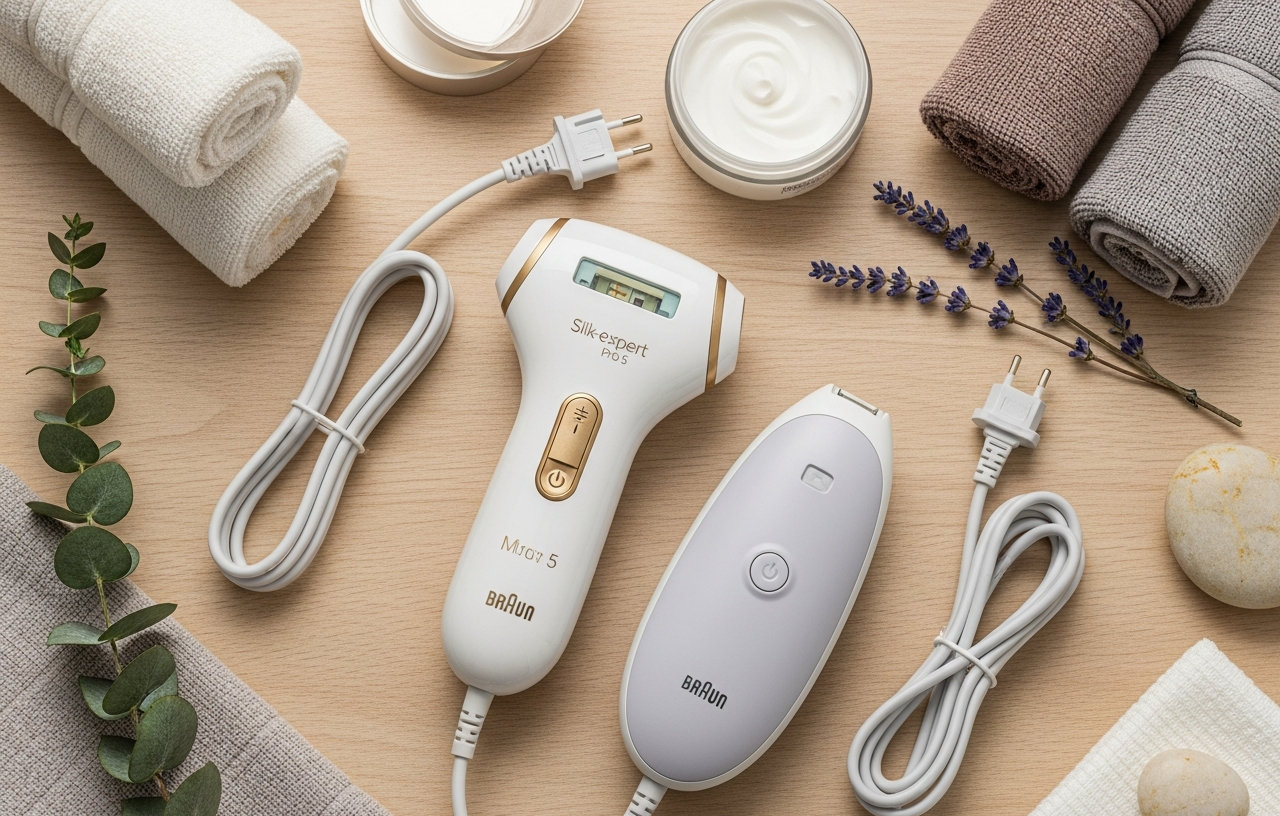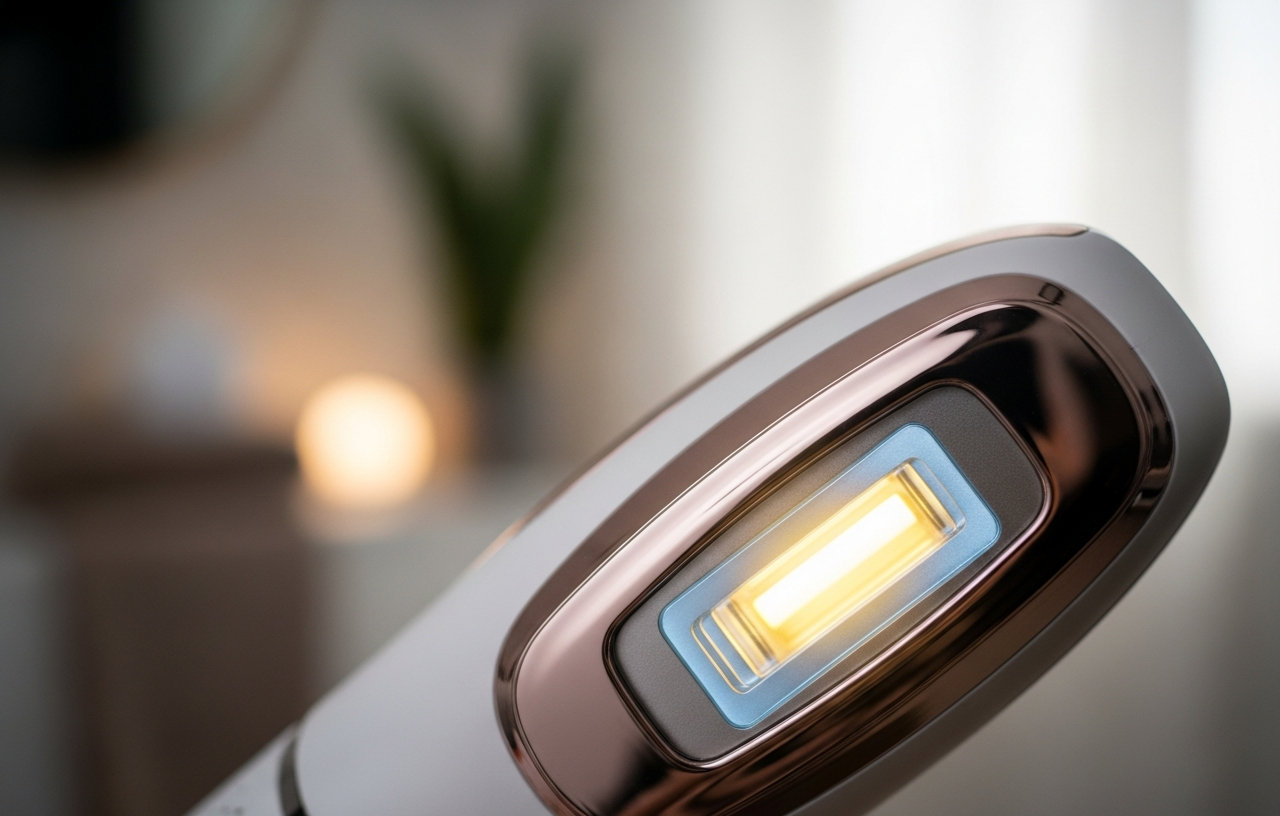
What is Intense Pulsed Light (IPL)?
Intense Pulsed Light (IPL) is a technology that uses broad-spectrum light, typically ranging from 500 to 1200 nanometers, to address various skin concerns, including hair removal. Unlike lasers, which produce a single, focused wavelength of light, IPL devices emit multiple wavelengths in each flash. This non-coherent light scatters, covering a wider area with each pulse. Filters are used to refine the light spectrum, allowing specific wavelengths to target different chromophores (light-absorbing molecules) in the skin, such as melanin in hair or hemoglobin in blood vessels.
For hair removal, the IPL device delivers short bursts of light energy to the skin. This light is attracted to the melanin, the pigment found in hair. As the melanin absorbs the light, it converts that light energy into heat. This heat then travels down the hair shaft, reaching and damaging the hair follicle. The damage to the follicle inhibits its ability to produce new hair, leading to a gradual reduction in hair growth over time.
The Science Behind IPL Hair Reduction
The effectiveness of IPL hair reduction relies on the principle of selective photothermolysis. This process involves heating a target chromophore, in this case, melanin in the hair, to a temperature that damages it without significantly harming the surrounding tissue. The broad-spectrum nature of IPL allows for a range of wavelengths to be absorbed by melanin, making it a versatile method for hair reduction.
Targeting Melanin: How IPL Works
When an IPL device flashes, the light penetrates the skin and is preferentially absorbed by the melanin within the hair shaft. This absorption causes a rapid increase in temperature within the hair follicle. Temperatures typically reach over 70 degrees Celsius (158 degrees Fahrenheit) for a brief period. This thermal damage coagulates the proteins within the follicle, disrupting its growth cycle. The goal is to disable the follicle's ability to produce new hair or to significantly weaken any hair that does regrow, making it finer and lighter.
The success of this targeting depends on the contrast between the melanin in the hair and the melanin in the surrounding skin. Hair with more melanin, meaning darker hair, will absorb more light energy. Skin with less melanin, meaning lighter skin, will absorb less. This contrast is why IPL is generally most effective on individuals with dark hair and light to medium skin tones.
The Hair Growth Cycle and IPL
Hair grows in a cyclical pattern, consisting of three main phases: anagen (growth), catagen (transition), and telogen (resting). IPL hair reduction is only effective on hairs that are in the anagen phase. This is because anagen hairs are actively connected to the hair follicle and contain the highest concentration of melanin.
- Anagen Phase: This is the active growth stage where the hair follicle is producing new hair. IPL is most effective during this phase because the hair shaft acts as a conduit for light energy directly to the follicle. Approximately 20-30% of hairs are in the anagen phase at any given time, varying by body area.
- Catagen Phase: A short transitional phase where hair growth stops, and the hair follicle shrinks. Hairs in this phase are not effectively treated by IPL.
- Telogen Phase: The resting phase, where the hair follicle is inactive and the old hair is shed. New hair begins to grow from the follicle only after this phase. IPL has no impact on hairs in the telogen phase.
Because only a fraction of hair is in the anagen phase at any given time, multiple IPL sessions are required. These sessions are typically spaced several weeks apart to allow hairs in the catagen and telogen phases to cycle into the anagen phase, making them susceptible to treatment.
Who Can Benefit from IPL Hair Reduction?
IPL hair reduction is suitable for a wide range of individuals seeking a long term solution for unwanted hair. However, its effectiveness and safety are highly dependent on specific characteristics of skin and hair.
Skin Tone and Hair Color Considerations
The ideal candidate for IPL hair reduction has a high contrast between their hair color and skin tone. This means dark hair and a lighter skin tone. Here's why:
- Dark Hair: Hair colors like black, dark brown, and medium brown contain significant amounts of melanin, which readily absorbs the IPL light. This absorption is essential for converting light energy into the heat needed to damage the follicle.
- Light Skin: Lighter skin tones (Fitzpatrick scale types I-III) contain less melanin. This allows the IPL light to pass through the skin largely unabsorbed, minimizing the risk of skin irritation or damage.
IPL is generally less effective for:
- Light-Colored Hair: Blonde, red, grey, or white hair contains very little melanin, making it difficult for the IPL light to be absorbed effectively. Consequently, the follicles do not heat up enough to be damaged.
- Dark Skin Tones: Individuals with darker skin tones (Fitzpatrick scale types IV-VI) have more melanin in their skin. This melanin can absorb a significant amount of the IPL light, leading to a higher risk of side effects such as burns, blisters, hyperpigmentation (darkening of the skin), or hypopigmentation (lightening of the skin). Many modern IPL devices include skin tone sensors to prevent treatment on skin types that are too dark for safe operation.
It is always recommended to perform a patch test on a small area of skin before a full treatment to assess individual skin reaction.
IPL Treatment Process: What to Expect
Undergoing IPL hair reduction involves several steps, from preparation to post-treatment care, designed to maximize effectiveness and minimize discomfort.
Preparing for Your IPL Session
Proper preparation is essential for a safe and effective IPL treatment. Adhere to these guidelines:
- Shave the Area: Shave the treatment area 12-24 hours before your session. This allows the IPL light to target the melanin in the hair follicle directly, rather than being absorbed by surface hair, which can cause burns. Do not wax, pluck, or use depilatory creams for at least four weeks prior, as these methods remove the hair root, which is the target for IPL.
- Avoid Sun Exposure: Stay out of direct sunlight and avoid tanning beds for at least four weeks before treatment. Tanned skin contains more melanin, increasing the risk of adverse reactions. Use a broad-spectrum SPF 30+ sunscreen daily on exposed areas.
- Clean Skin: On the day of your appointment, make sure your skin is clean and free of makeup, lotions, deodorants, or any topical creams in the treatment area.
- Avoid Certain Medications: Inform your practitioner about any medications you are taking, especially those that may increase photosensitivity, such as certain antibiotics or retinoids.
During the IPL Treatment
A typical IPL session is relatively quick, depending on the size of the area being treated. Here is what generally happens:
- Protective Eyewear: You will wear protective eyewear to shield your eyes from the bright flashes of light.
- Cooling Gel: A cooling gel is applied to the treatment area. This gel helps to cool the skin, reduce discomfort, and improve light transmission.
- Device Application: The IPL device's handpiece is placed gently on the skin. When activated, it emits a flash of light. You might feel a sensation similar to a rubber band snapping against the skin, or a warm prickling. Most devices incorporate cooling features to enhance comfort.
- Area Coverage: The practitioner or device glides over the treatment area, delivering pulses of light until the entire section is covered.
Sessions can last from a few minutes for small areas like the upper lip to an hour or more for larger areas like the legs or back.
Post-Treatment Care
After an IPL session, proper aftercare helps minimize side effects and supports optimal results:
- Cool Compresses: Apply cool compresses or ice packs to the treated area to reduce any redness or swelling.
- Moisturize: Use a gentle, fragrance-free moisturizer to keep the skin hydrated.
- Avoid Sun Exposure: Continue to avoid direct sun exposure and use a high-SPF sunscreen for several weeks post-treatment. Treated skin is more sensitive to UV radiation.
- Avoid Heat: For 24-48 hours, avoid hot showers, saunas, strenuous exercise, or anything that might increase skin temperature, which can exacerbate redness.
- Gentle Cleansing: Cleanse the treated area gently with mild soap and lukewarm water.
- Hair Shedding: Hairs in the treated follicles will gradually shed over the next one to three weeks. This is a normal part of the process. Do not pick or pull at shedding hairs.
Potential Side Effects and Safety Measures
While IPL hair reduction is generally safe, understanding potential side effects and necessary safety measures is important. Most side effects are temporary and mild.
Common and Mild Side Effects:
- Redness and Swelling: The treated area may appear red and slightly swollen, similar to a mild sunburn. This usually subsides within a few hours to a day or two.
- Mild Discomfort: Some individuals experience a warm, tingling, or stinging sensation during and immediately after treatment.
- Follicular Edema: Small bumps around the hair follicles may appear, indicating that the follicle has absorbed the light energy. This typically resolves quickly.
Less Common or More Severe Side Effects (Rare):
- Temporary Pigment Changes: Hyperpigmentation (darkening of the skin) or hypopigmentation (lightening of the skin) can occur, especially in individuals with darker skin tones or those who have had recent sun exposure. These changes are usually temporary but can sometimes last for months.
- Blistering or Crusting: In rare cases, if the energy settings are too high or if the skin is overly sensitive, blisters or crusts may form. These should be kept clean and typically heal within a week.
- Bruising: Very rarely, minor bruising may occur, which usually resolves within a week or two.
Safety Measures:
- Patch Test: A small patch test should always be performed on an inconspicuous area before a full treatment session. This helps determine the skin's reaction to the IPL device's settings.
- Skin Tone Sensors: Many modern IPL devices, particularly at-home models, include built-in skin tone sensors. These sensors detect if the skin is too dark for safe treatment and will prevent the device from flashing, reducing the risk of burns.
- Professional Consultation: For professional treatments, a thorough consultation with a qualified practitioner is essential to assess skin type, hair type, and overall suitability for IPL.
- Following Instructions: Adhering strictly to pre- and post-treatment care instructions, especially regarding sun exposure, significantly reduces the risk of adverse events.
IPL vs. Laser Hair Removal: A Comparison
Both IPL and laser hair removal aim to reduce unwanted hair by targeting melanin in the hair follicle. However, they differ significantly in their technology and application.
- Light Source:
- IPL: Uses broad-spectrum, non-coherent light (multiple wavelengths, typically 500-1200 nm). The light scatters, covering larger areas.
- Laser: Uses a single, focused wavelength of coherent light. This light is highly concentrated and precise. Common laser types include Alexandrite (755 nm), Diode (800-810 nm), and Nd:YAG (1064 nm).
- Targeting Precision:
- IPL: Less precise due to scattered light. This makes it effective for larger areas but also increases the potential for absorption by surrounding skin melanin.
- Laser: Highly precise, targeting hair follicles with minimal impact on surrounding skin. This precision can be advantageous for specific hair types and skin tones.
- Effectiveness:
- IPL: Generally effective for reducing hair growth in individuals with dark hair and light to medium skin tones. It can also be used for other skin concerns, such as pigmentation and vascular lesions, in professional settings.
- Laser: Often considered more powerful and can be more effective for coarser, darker hair. Different laser types are better suited for specific skin tones. For instance, Nd:YAG lasers are safer for darker skin types than Alexandrite lasers.
- Treatment Area:
- IPL: The larger spot size of IPL devices allows for quicker treatment of larger body areas.
- Laser: Smaller spot sizes mean longer treatment times for large areas, but greater precision for smaller, targeted zones.
- Cost:
- IPL: At-home devices are a one-time purchase, typically ranging from $150 to $700. Professional IPL sessions might be slightly less expensive per session than professional laser, but total cost depends on the number of sessions needed.
- Laser: Professional laser treatments are often more expensive per session, with total costs accumulating over multiple appointments.
At-Home IPL Devices vs. Professional Treatments
Consumers have the choice between using IPL devices at home or seeking professional treatments in clinics or med-spas. Each option presents distinct advantages and considerations.
At-Home IPL Devices:
At-home IPL devices have become increasingly popular due to their convenience and lower upfront cost. These devices are designed for user safety and ease of use, typically featuring lower energy output compared to professional machines. This reduced power means more sessions are usually required to achieve desired results, and the results might be less dramatic than clinical treatments.
Most at-home IPL devices include safety features like skin tone sensors that prevent flashes on skin types deemed too dark or if the device is not in full contact with the skin. They are ideal for individuals looking for a discreet, gradual reduction in hair growth and are committed to a consistent treatment schedule over several months. The typical price range for a quality at-home IPL device is between $150 and $700.
Professional IPL Treatments:
Professional IPL treatments are conducted by trained technicians in a clinical setting. These devices are significantly more powerful, offering higher energy fluences and more advanced cooling systems. The increased power allows for more effective treatment, potentially leading to faster and more substantial hair reduction. Professionals can also adjust settings precisely to match individual skin and hair types, maximizing efficacy while minimizing risks.
The cost of professional IPL treatments varies widely based on the clinic, the area being treated, and geographic location. Individual sessions might range from $100 to $300 for small areas like the upper lip or underarms, and $300 to $600 for larger areas such as full legs or the back. A complete course of professional treatments, typically 6-8 sessions, can cost several thousand dollars. This is a one-time purchase, and most devices come with enough flashes to last for several years of treatments. While the upfront cost can seem considerable, it often becomes more economical over time compared to continuous professional sessions, especially if you treat multiple body areas.
Professional IPL Treatments:
Professional IPL sessions are priced per session and per body area. Costs can vary widely. For smaller areas like the upper lip, chin, or underarms, a single session might cost between $100 and $250. Larger areas such as full legs, back, or chest can range from $300 to $600 per session. Many clinics offer package deals for multiple sessions, which can reduce the per-session cost. A full course of professional IPL treatments, often requiring 6 to 8 sessions, could total anywhere from $1,500 to $4,000 or more, depending on the number and size of areas treated.
Factors influencing professional pricing include the clinic's location, the practitioner's experience, and the specific technology used. This reduction can range from 70% to 90%. The remaining hair often grows back finer, lighter, and sparser, making it much less noticeable. IPL is not considered permanent hair removal but rather long term hair reduction, as some hair follicles may eventually recover and produce new hair.
Timeline for Results:
- Initial Results: You may notice a reduction in hair growth and shedding of treated hairs within one to three weeks after your first few sessions.
- Cumulative Effect: The most significant results become apparent after several sessions, as more hair follicles are targeted during their active growth phase.
- Full Results: A complete course of treatments is usually required to achieve the desired level of hair reduction.
Maintenance Sessions:
Because some hair follicles can regenerate over time, maintenance sessions are typically needed to sustain results. These touch-up sessions are usually performed every 6 to 12 months, or as needed, depending on individual hair regrowth patterns. Consistency with maintenance treatments helps ensure the longevity of your hair reduction.
Adherence to the recommended treatment schedule and proper aftercare protocols, including sun protection, also plays a significant role in achieving and maintaining optimal results from IPL hair reduction.